Ok
Solar
Box Oven!
A great solar oven you can build quickly
from two cardboard boxes
This is a great solar oven design that can be built
quickly from two cardboard boxes.
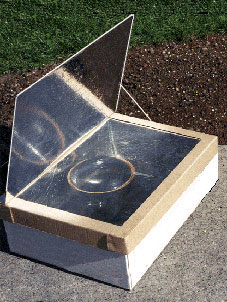 Experiments in different Countries have proven that solar box ovens can be built
more simply than even the simple method we have been using. These discoveries
have paved the way for a simpler construction method that allows a cooker to be
built in a few hours for hardley any money.
Experiments in different Countries have proven that solar box ovens can be built
more simply than even the simple method we have been using. These discoveries
have paved the way for a simpler construction method that allows a cooker to be
built in a few hours for hardley any money.
Here are a few reasons why this design is possible:
- Foiled airspace takes the place of
insulation in the walls.
- You only need one layer of aluminum
foil, but a layer on the inside of each box makes a hotter oven.
- Only a small amount of space is
needed between the walls of the inner and outter box.
- Almost any size oven will work.
- A double layer of plastic film
(such as Reynolds Oven Cooking Bags®) works as well as a single sheet of
glass. It may not last as long, but the plastic wrapping is cheaper,
lighter, and easier to obtain.
- Shallower ovens cook better because
they have less wall area through which to lose heat. It's best for the
inside of the oven to be just slightly taller than the biggest pot you plan
to use.
A New Simpler Design
Taking this information into account, we are able to take
our best shot at describing the minimum solar box cooker.
Materials
- Two cardboard boxes, with an inner
box that is at least 15" x 15" (38cm x 38cm), but bigger is
better. The outer box should be larger all around, but it doesn't matter how
much bigger, as long as there is a half inch (1.5cm) or more of an airspace
between the two boxes. Also note that the distance between the two boxes
does not have to be equal all the way around. Keep in mind that it is very
easy to adjust the size of a cardboard box by cutting and gluing it.
- One sheet of cardboard to make the
lid, which must be approximately 2" - 3" (4 - 8cm) larger all the
way around than the top of the finished cooker.
- One small roll of aluminum foil.
- One can of non-toxic when dry
flat-black spray paint or one small jar of black tempera paint. I would
recommend the tempera paint.
- At least 8 ounces of white glue.
- One Reynolds Oven Cooking Bag®.
They are rated for 400° F (204.4° C), which makes them perfect for solar
cooking. They are not UV-resistant; thus they will become more brittle and
opaque over time and may need to be replaced periodically. A sheet of glass
can also be used, but this is more expensive and fragile, and doesn't offer
that much better cooking except on windy days.
-
Building the Base
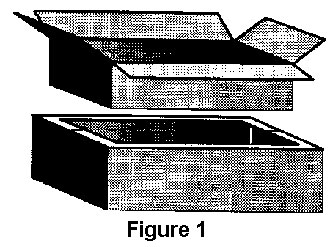
Fold the top flaps closed on the outer box and set the
inner box on top and trace a line around it onto the top of the outer box,
Remove the inner box and cut along this line to form a hole in the top of the
outer box (Figure 1).
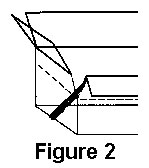 Decide
how deep you want your oven to be (about 1" or 2.5cm bigger than your
largest pot and at least 1" shorter than the outer box) and slit the
corners of the inner box with a knife down to that height. Fold each side down
forming extended flaps (Figure 2). Folding is smoother if you first draw a firm
line from the end of one cut to the other where the folds are to go.
Decide
how deep you want your oven to be (about 1" or 2.5cm bigger than your
largest pot and at least 1" shorter than the outer box) and slit the
corners of the inner box with a knife down to that height. Fold each side down
forming extended flaps (Figure 2). Folding is smoother if you first draw a firm
line from the end of one cut to the other where the folds are to go.
Glue aluminum foil to the inside of both boxes and also to
the inside of the remaining top flaps of the outer box. Don't waste your time
being neat on the outer box, since it will never be seen, nor will it experience
any wear. The inner box will be visible even after assembly, so if it matters to
you, you might want to take more time here. Glue the top flaps closed on the
outer box.
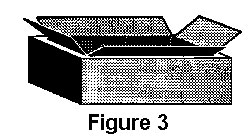 Place some wads of
crumpled newspaper into the outer box so that when you set the inner box down
inside the hole in the outer box, the flaps on the inner box just touch the top
of the outer box (Figure 3). Glue these flaps onto the top of the outer box.
Trim the excess flap length to be even with the perimeter of the outer box. Place some wads of
crumpled newspaper into the outer box so that when you set the inner box down
inside the hole in the outer box, the flaps on the inner box just touch the top
of the outer box (Figure 3). Glue these flaps onto the top of the outer box.
Trim the excess flap length to be even with the perimeter of the outer box.
Finally, to make the drip pan, cut a piece of cardboard,
the same size as the bottom of the interior of the oven and apply foil to one
side. Paint this foiled side black and allow it to dry. Put this in the oven
(black side up) and place your pots on it when cooking. The base is now
finished.
Building the Removable Lid
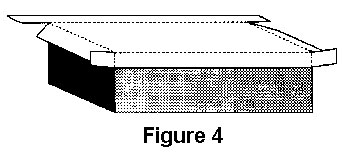 Take the large sheet of cardboard and lay it on top of the base. Trace its
outline and then cut and fold down the edges to form a lip of about 3"
(7.5cm). Fold the corner flaps around and glue to the side lid flaps. (Figure
4). Orient the corrugations so that they go from left to right as you face the
oven so that later the prop may be inserted into the corrugations (Figure 6).
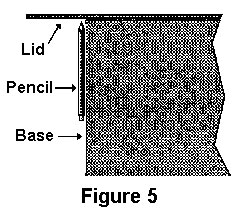
One trick you can use to make the lid fit well is to lay the pencil or pen
against the side of the box when marking (Figure 5). Don't glue this lid to the
box; you'll need to remove it to move pots in and out of the oven.
Take the large sheet of cardboard and lay it on top of the base. Trace its
outline and then cut and fold down the edges to form a lip of about 3"
(7.5cm). Fold the corner flaps around and glue to the side lid flaps. (Figure
4). Orient the corrugations so that they go from left to right as you face the
oven so that later the prop may be inserted into the corrugations (Figure 6).
One trick you can use to make the lid fit well is to lay the pencil or pen
against the side of the box when marking (Figure 5). Don't glue this lid to the
box; you'll need to remove it to move pots in and out of the oven.
 To make the reflector flap, draw a line on the lid, forming a rectangle the same
size as the oven opening. Cut around three sides and fold the resulting flap up
forming the reflector (Figure 6). Foil this flap on the inside.
To make the reflector flap, draw a line on the lid, forming a rectangle the same
size as the oven opening. Cut around three sides and fold the resulting flap up
forming the reflector (Figure 6). Foil this flap on the inside.
To make a prop bend a 12" (30cm) piece of hanger wire
as indicated in Figure 6. This can then be inserted into the corrugations as
shown.
Next, turn the lid upside-down and glue the oven bag (or
other glazing material) in place. We have had great success using the turkey
size oven bag (19" x 23 1/2", 47.5cm x 58.5cm) applied as is, i.e.,
without opening it up. This makes a double layer of plastic. The two layers tend
to separate from each other to form an airspace as the oven cooks. When using
this method, it is important to also glue the bag closed on its open end. This
stops water vapor from entering the bag and condensing. Alternately you can cut
any size oven bag open to form a flat sheet large enough to cover the oven
opening.
Improving Efficiency
This oven should cook fine during most of the solar season.
If you want to improve the efficiency to be able to cook on more marginal (less
sunlight) days, you can modify your oven in any or all of the following ways:
- Make pieces of foiled cardboard the
same size as the oven sides and place these in the wall spaces.
- Make a new reflector the size of
the entire lid (see photo).
- Make the drip pan using sheet
metal, such as aluminum flashing. Paint this black and elevate this off the
bottom of the oven slightly with small cardboard strips.
- this text
and pricture are contribution fo www.wek
Please write to us your ideas and recites
About Veggie Life — With more than 100 full-color pages of ti ps,
techniques, and delicious recipes, Veggie Life is the only healthy lifestyle
magazine that covers natural living from the ground up. It includes information
about organic gardening, nutrition, cooking, herbs, fitness, and more. Feature
articles show how to grow organic vegetables, herbs, and flowers; cook low-fat,
healthy cuisine; and feel positive and energized through exercise, nutrition,
and diet. ps,
techniques, and delicious recipes, Veggie Life is the only healthy lifestyle
magazine that covers natural living from the ground up. It includes information
about organic gardening, nutrition, cooking, herbs, fitness, and more. Feature
articles show how to grow organic vegetables, herbs, and flowers; cook low-fat,
healthy cuisine; and feel positive and energized through exercise, nutrition,
and diet.
We provide OEM energy solutions for military and government, as well as private sector applications, helping clients achieve 100% up-time for applications ranging from Hospitals, school warning signals to explosion proof street lights.Applications:
Commercial - Industrial - Disaster Relief - Military and Residential
OkSolar.com Affiliate

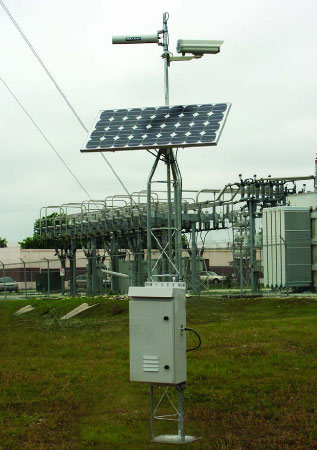
IP Video Anywhere Solar Powered!
Protecting Critical Government Infrastructure
Military and Homeland Surveillance
IP Video AnyWhere Solar Powered!
IP Video solutions are the next wave in CCTV surveillance. The ability to monitor your systems from anywhere, IP video solution.
Keep an eye on your critical facilities at all times.
With OkSolar’s IP Video Anywhere, you can monitor sites several thousand miles away as if they were across the street. Our system facilitates remote site surveillance through energy-independent operation and allows video to be transmitted over IP without any physical lines being installed. Companies with remote or hard to access assets, such as oil and gas pipelines, bridges or rural properties, have not had an effective, economical solution for protecting those assets. Some of the features like automated archiving allow you not only to track construction progress in real time but also to retrieve past images which can be used to resolve issues quickly.
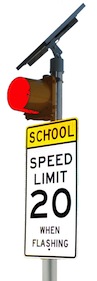
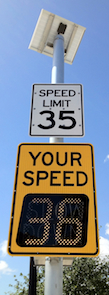
Traffic Warning Signals
Our 12', 2 Head, Solar powered school warning flasher signal is the cost effective solution to your pedestrian safety problems. More Information > Traffic control lights, LED Traffic signals Manufacturer & Distributor, School Zone LED, School Zone LED flashing beacon, 24 7 hour led flashing beacon traffic, school zone, School warning signals, 24 hours warning Flashers, Road way warning signals, pedestrian crossing, railroad warning, ice on bridge warning, low water crossing, led beacons, speed awareness displays, Solar Powered Pedestrian Beacon, Pedestrian Beacons, 24/7 Flashing Beacon
SolarLighting
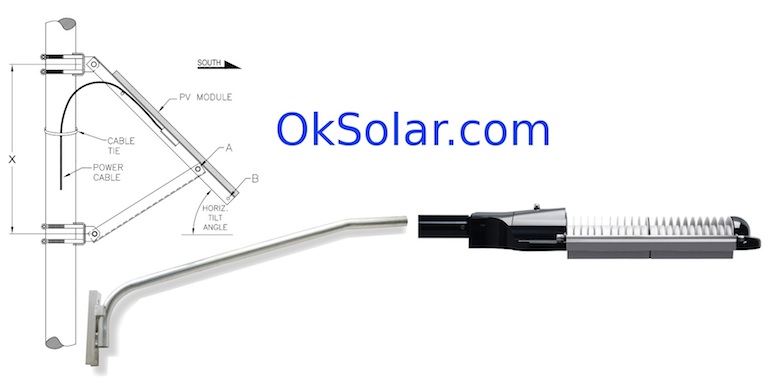
Complete turn key Systems Solutions for Solar Lighting
All components needed for installation are included (except for the mounting pole). The systems are designed for installation onto a wood, concrete, or metal mounting pole. You may choose to use your own pole or we can quote the poles separately from the lighting system itself.
These units can be used for: Area lighting, Billboards lighting, Dock lights, Park lighting, Parking lot lighting, Parkway lighting, walkway lighting, Street lighting, Transit Lighting, Outdoor area lighting
Complete turn key Systems Solutions for Solar LED Lighting
Solar Tree
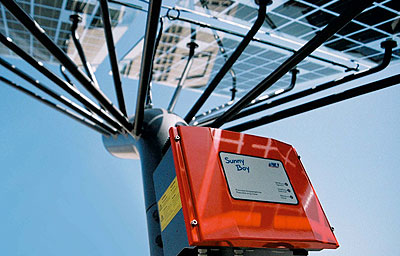
We Delivered On-Site For Fast Plug and Pay Installation Solar Tree structure are designed for the following applications:
-Shading vehicles from the sun and at the same time generate Green energy.
-Facilitate the creation of infrastructure for electric vehicles.
One Solar Tree structure system shades eight standard parking spaces.One Solar Tree structure generates enough energy to fully charge eight electric vehicles each day or power Office Space, Industrial plants or a House. We Ship Worldwide in site technical support available.
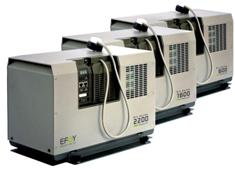
Fuel Cell Are you tired of your devices being left in the dark, when your solar energy system stops providing power? Then IQ Fuel Cells are the perfect answer for you. Are now available as an alternative source for renewable energy. Unlike traditional power generators, they don't require gasoline to generate power. They also provide an alternative to solar generators because they do not depend on any external power gathering equipment. These units are compact, durable, and built to power a wide range of applications.
The Best Generator Ever!
Applications: Airports, Computer Rooms, Hospitals, Traffic, UPS
Smart designs with IQ Fuel Cells for smart energy applications Contact us today!
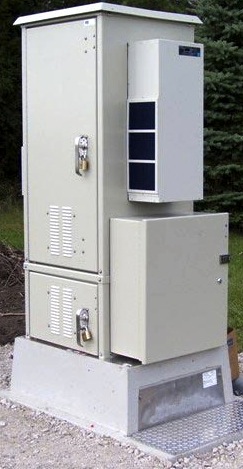
Battery Backup Systems for LED Traffic Signs Increase the public safety and reduced traffic congestion by allowing traffic lights to function even during a power failure. A typical traffic signal intersection experiences eight to ten local power outages annually. With IQUPS battery backup power, some or all the traffic control signals can continue to operate. This seamless switchover to battery power increases public safety and eliminates the need to dispatch police or other service personnel to direct traffic. If all traffic signals were converted to LEDs, the battery backup system would allow full operation of the traffic signals during a power outage, thus alleviating traffic congestion.
Important feature is the battery backup system’s ability to maintain the memory of the traffic signal controller. The controller is responsible for sequencing the on and off times of the various signals. With a battery backup system, the controller’s memory can be maintained and return to normal operation once the outage has ended. This feature has eliminated the time spent to reprogram controllers after a power outage
Traffic IQUPS It is designed to provide backup power for critical LED traffic light intersections. With 1,000 watts of true sinewave power available, IQFuel Cell and maintenance free Deep cycle batteries.
Traffic IQUPS will drive most large LED systems. Its pure sinewave output is cleaner than utility power, making it ideal for all loads.
Total distortion is typically less than 1.5%. Manufactured in the USA to the highest standards possible, Traffic IQUPS system is the best choice for critical load protection. power outage knocked out traffic lights, backup generators, emergency generator
Depending on the consumers needs, the IQFuelCell automatically charges the battery with up to 100 Ah per day. As independent power supply or in combination with other systems, the IQFuelCell runs self-sufficiently for months.
The circuit is fully protected via breakers and fuses on the AC input, connection to the batteries, and DC loads. Outdoor, lockable, aluminum enclosure includes tamper-proof hardware suitable for pole or wall mounting. DC.
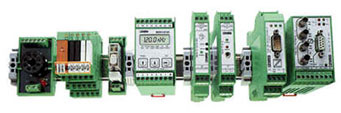
IQAirport
Airport and Heliport landing back-up Battery Charger: 12Volts, 24 Volts, 36Volts, 48 Volts -120VAC or 230VAC Using state-of-the-art, switch-mode technology, the DLS Power Supply series is engineered with the user and variable environmental conditions in mind. Extra care has been given to insure many years of service-free operation, even when subjected to extremely harsh conditions. Batteries are charged quickly and efficiently without over charging and pumps, motors, and fans operate perfectly for prolonged life.
OkSolar.com has decided to adopt QR-Codes in our manufacturing process to streamline support and maintenance in all of our applications, resulting in savings for Government Agencies.
Projects:
Projects
Battery
Storage for Smart Grid IQUPS.com Renewable Energy - Solar PV Plants -
Electric Car Charging Stations - Smart Grid.
BBS Battery Backup system for Obstruction Lights Obstruction Lighting.
Buoy-Based Security System For Ports - How to Secure Ports - Obstruction
Lighting - Marine Lanterns - Infrared LED Red Beacon.
OkSolar Projects Commercial Industrial
and Military - Hospital Solar Power Solutions.
Electric Vehicle Charging Station Solar Powered - How To Create a System to
Solar Power Electric Cars.
How To Create a System to Solar Power Electric Cars.
How to Install a Obstruction Lighting in a Wind Turbine - Wind Turbine
Lighting.
How to Install a Solar Powered Obstruction Lighting in a Wind Turbine -
Solar Powered Wind turbine Obstruction Lighitng FAA Certified.
How to Secure Ports -
Obstruction Lighting - Marine Lanterns - Infrared LED Red Beacon
How to use a BBS Battery Backup system for Obstruction Lights Obstruction
Lighting.
Modular Energy Storage Solar Powered, Wind and Fuel Cells Assisted
Substantially reduces the requirement for diesel fuel and the associated
costs and logistics and attacks..
Military Modular Energy Storage Solar Powered - Wind - Fuel Cells Assisted
Substantially reduces the requirement for diesel fuel and the associated
costs and logistics and attacks.
IQUPS.com Develops Modular Power Storage for Renewable Energy - Solar PV
Plants - Electric Car Charging Stations - Smart Grid.
Shipping
Containers Solar Powered - Modular Energy Storage Solar Powered Wind
Assisted.
Skystream Hybrid 6 wind-solar system increases energy production of the
solar array by up to 35 percent compared with a fixed mount system.
Solar LED Street Lamp -
Obstruction Lighting - Marine Lanterns - Infrared LED Red Beacon
Solar Powered Obstruction Lighting for Wind Turbines.
Solar Powered Obstruction Lighting for Wind Turbines Generators -
Obstruction Lighting Solar Powered.
Solar Powered Schools
Self Powered by a Shipping container.
Wind Turbine Generator Obstruction Lighting Solar Powered.
Wind Turbine Lighting -
Solar Powered Wind turbine Obstruction Lighitng FAA Certified.
Wind Turbine Obstruction Lighting Solar Powered FAA-Certified L-864.
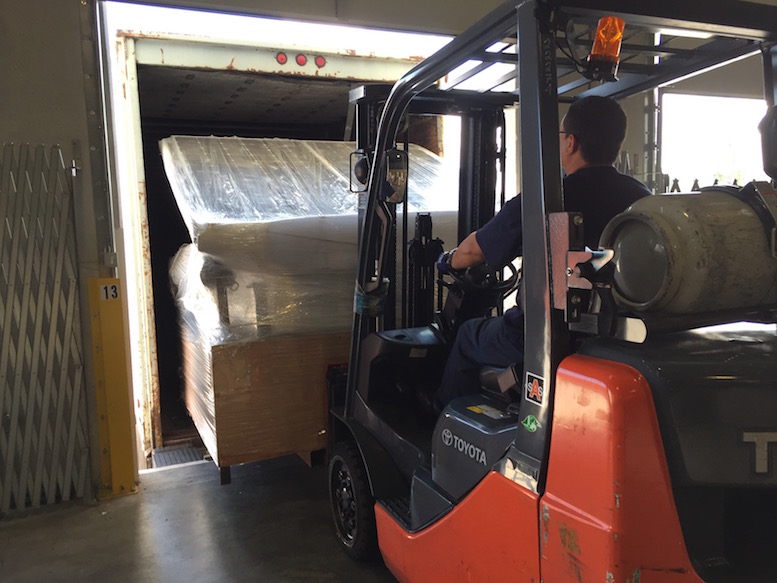
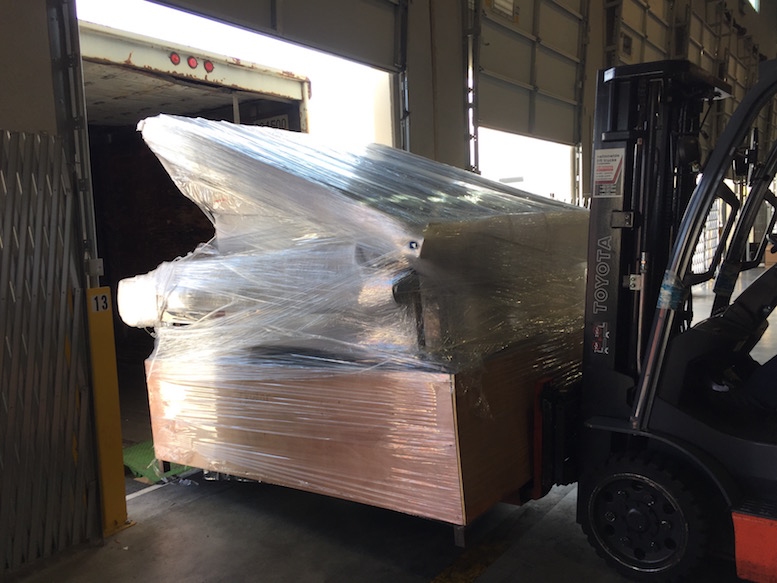
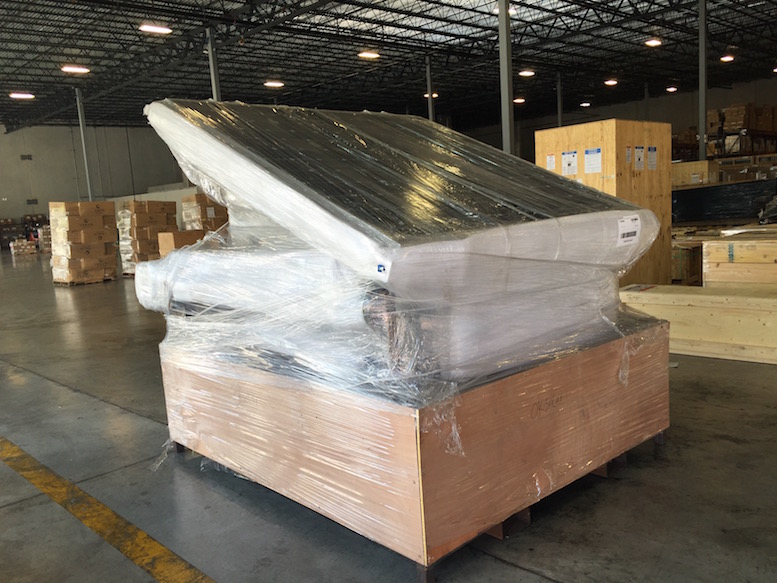
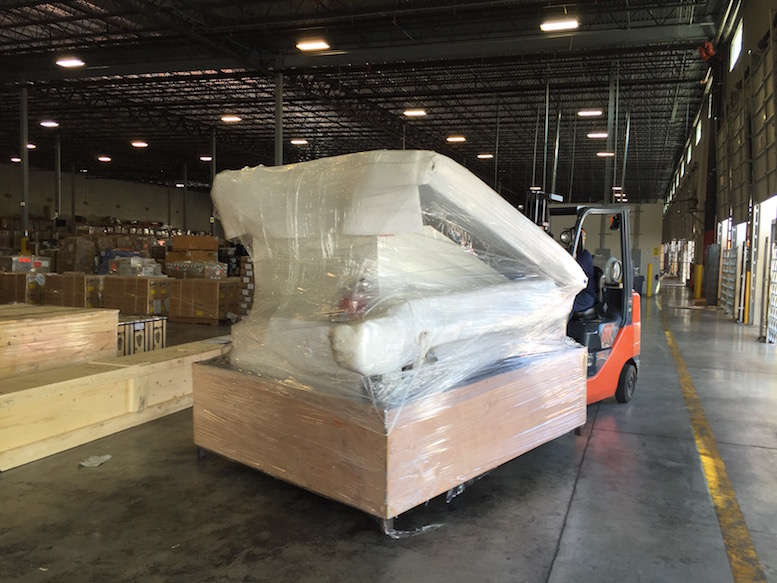
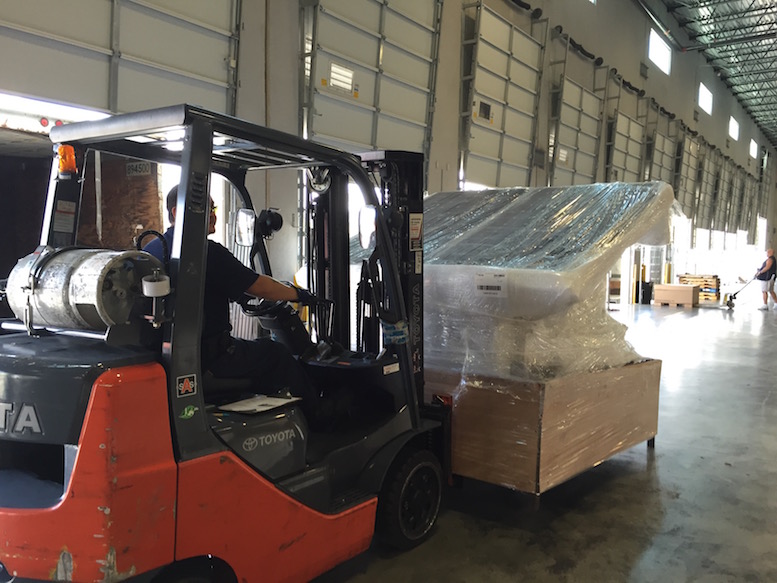
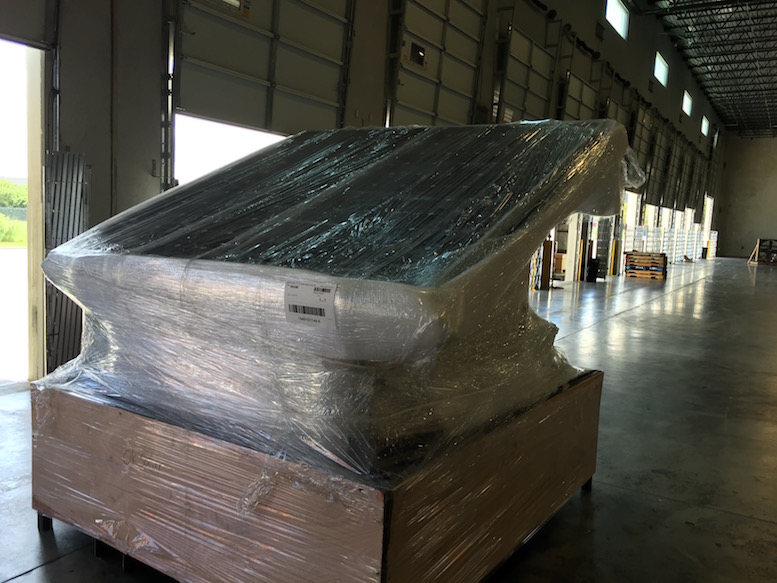
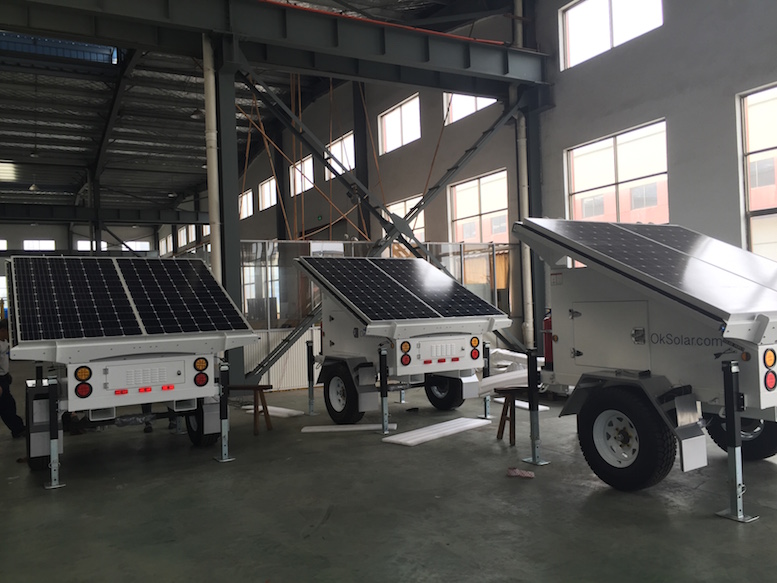
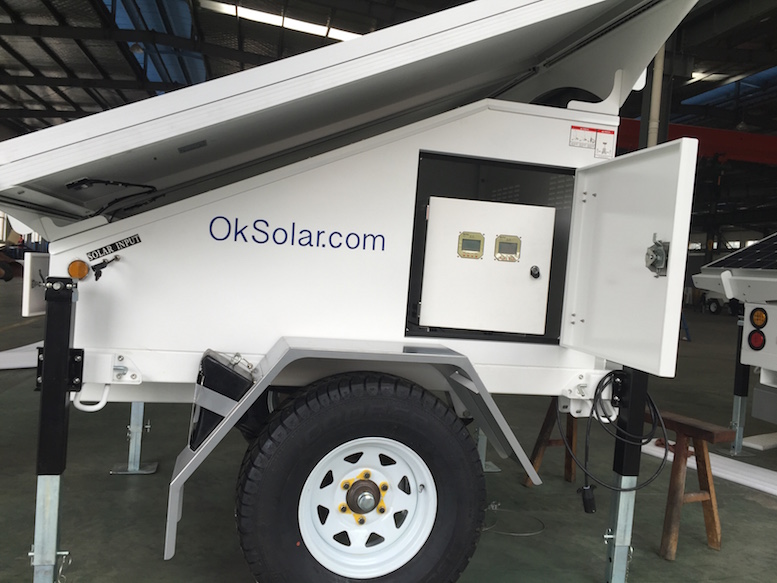
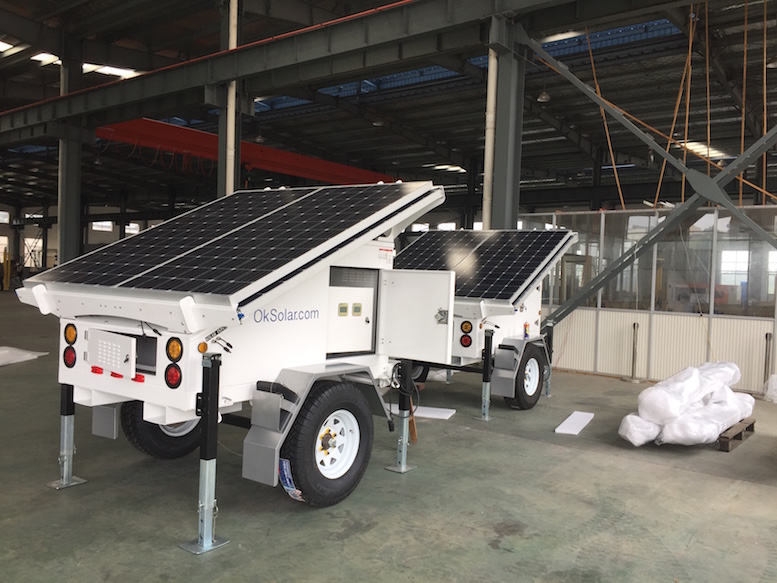
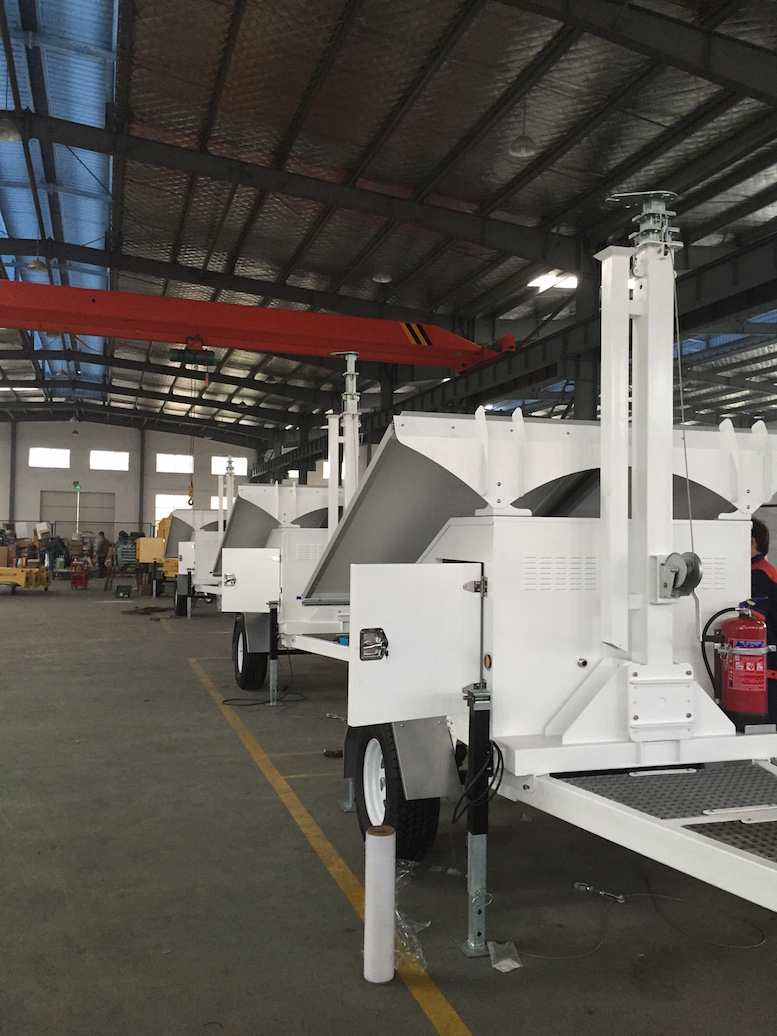
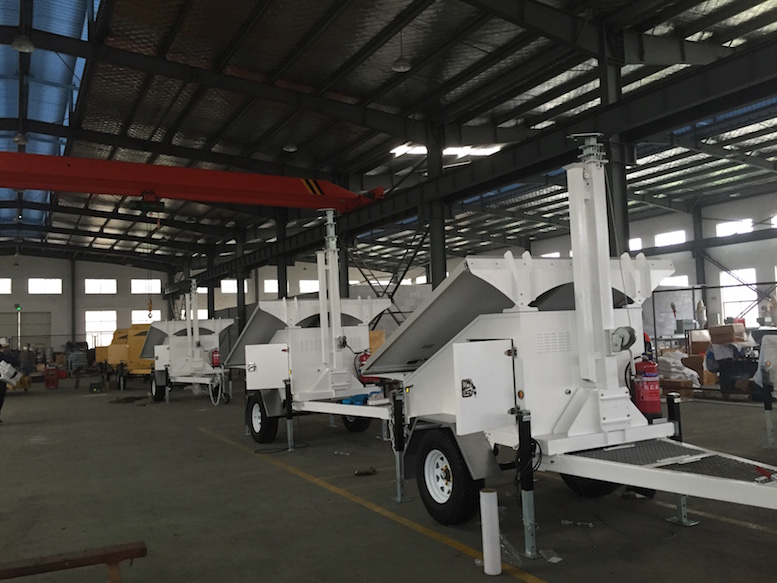
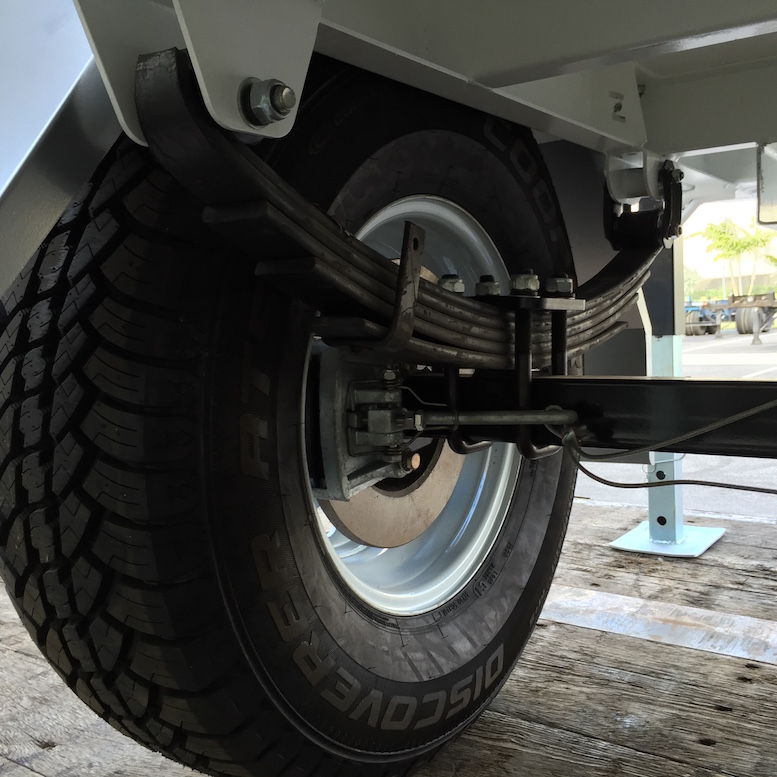
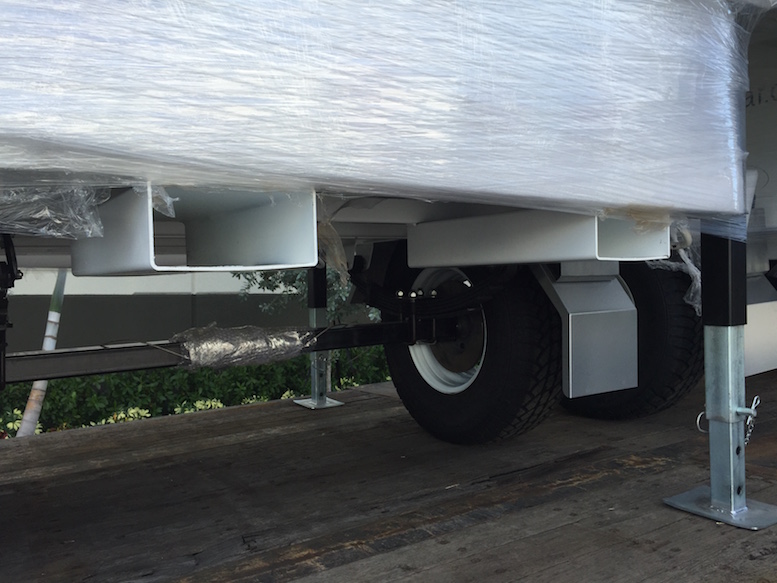
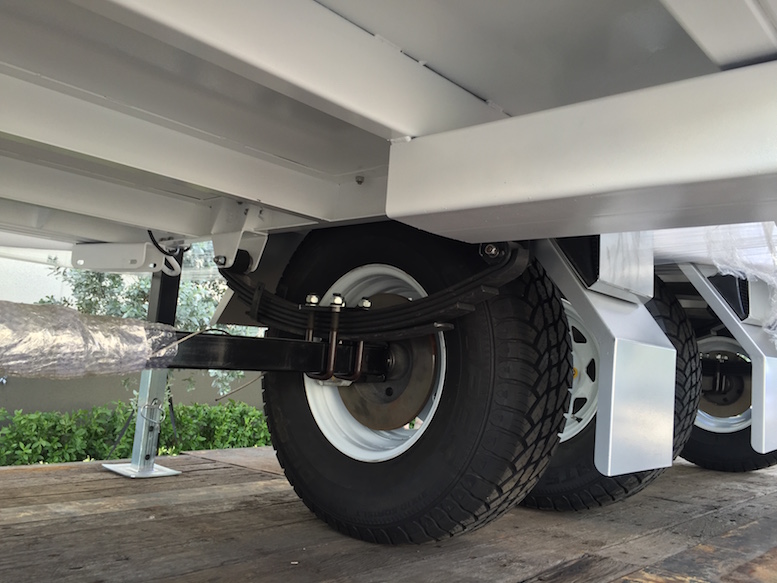
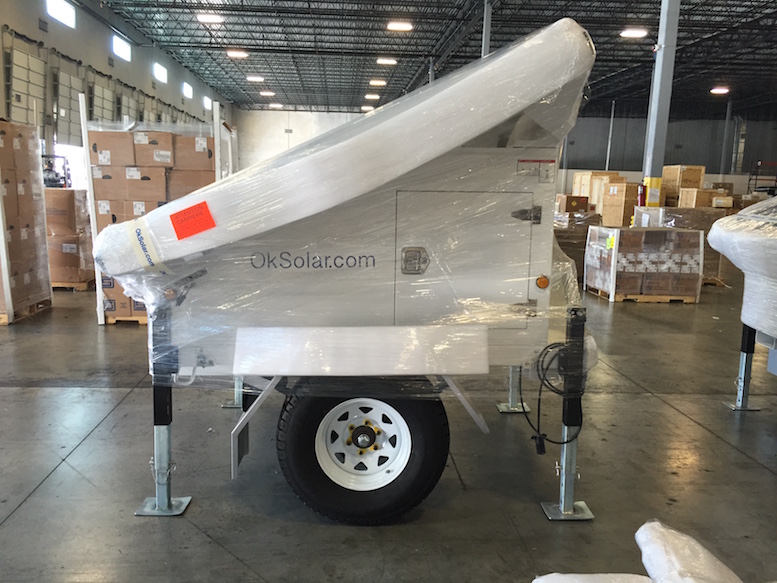
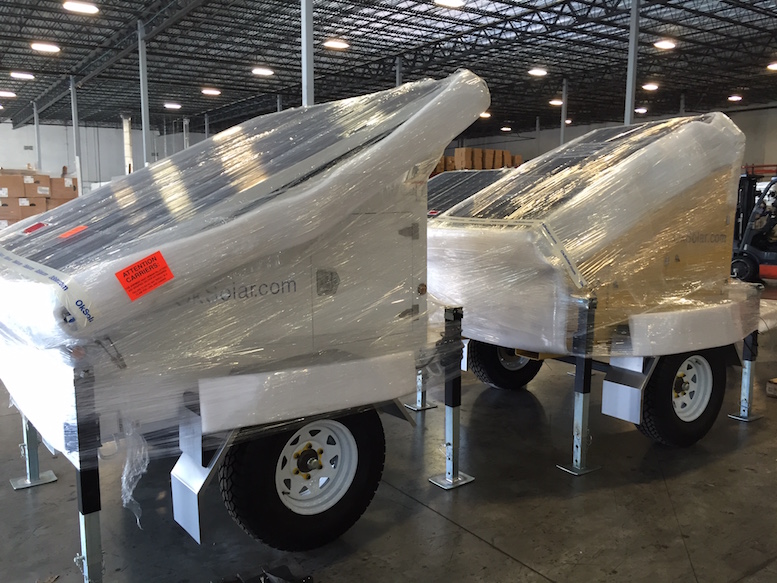
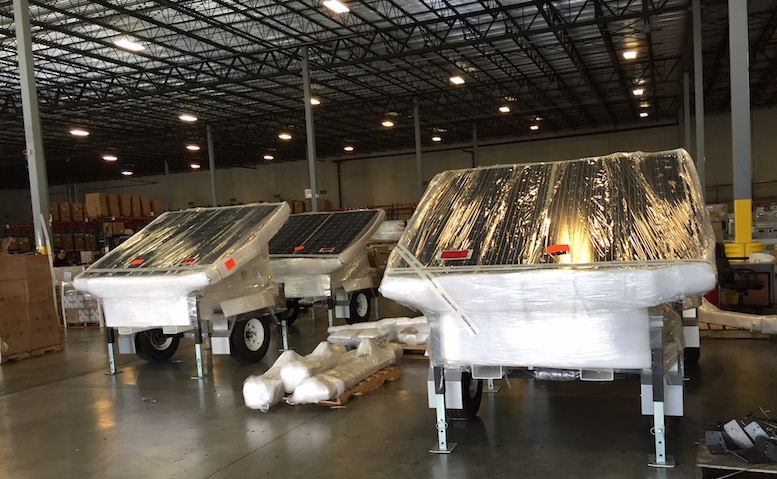
Other Models Available
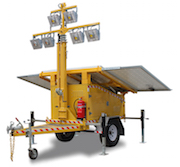
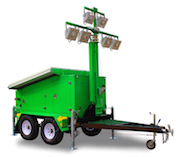
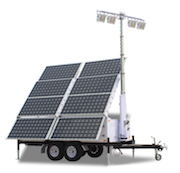
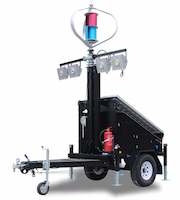
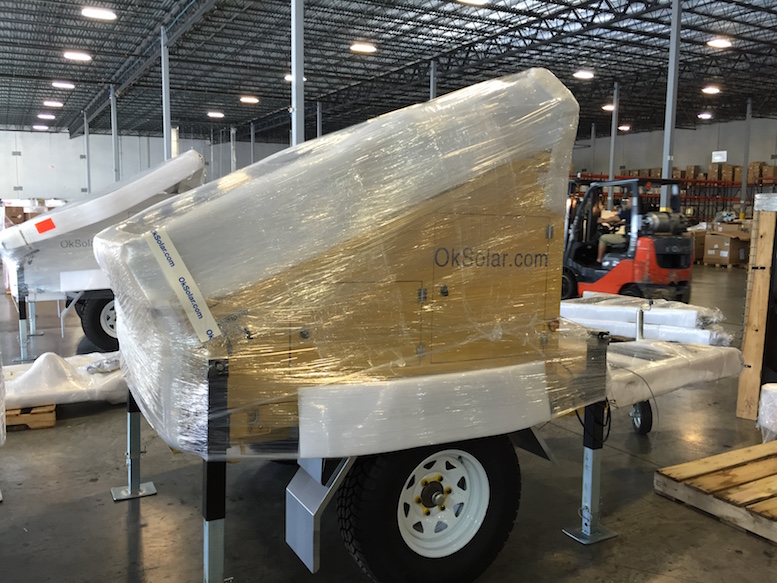
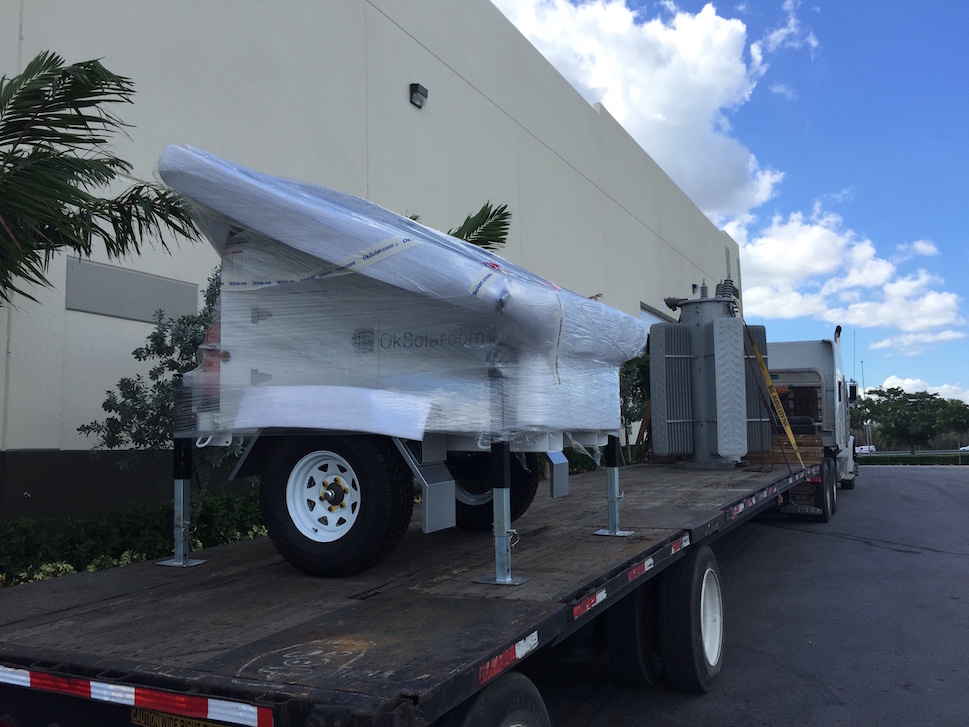
Sample Ready to ship unit


About Veggie Life —
With more than
100 full-color pages of tips, techniques, and delicious
recipes, Veggie Life is the only healthy lifestyle
magazine that covers natural living from the ground up. It
includes information about organic gardening, nutrition,
cooking, herbs, fitness, and more. Feature articles show
how to grow organic vegetables, herbs, and flowers; cook
low-fat, healthy cuisine; and feel positive and energized
through exercise, nutrition, and diet.
Visit our Solar Products
|








 Serving The Industry Since 1988.