Communications Technical Glossary
of Terms:
Wireless
Technologies bridges the rural digital divide with fixed-point broadband,
wireless systems that deliver high-speed
A
AM
Amplitude modulation; a method of encoding information on a “carrier” by
varying the amplitude of the carrier signal.
Analog-to-Digital Converter
A device that converts an analog input voltage to a digital output word.
These are also known as ADCs, and have varying degrees of input range and
output resolution.
Antenna
An array of metal rods or wires used to intercept radio waves and convert
them into electrical currents. In microwave applications, often a parabolic
reflector with associated feed mechanism.
AMPS
Advanced Mobile Phone Service, the standard for analog cellular telephones.
Analog
The traditional method of transmitting voice signals where the radio wave is
based on electrical impulses, which occur when speaking into the phone.
Attenuator
A device or network that absorbs part of a signal and transmits the
remainder with a minimum of distortion.
Back to top
--------------------------------------------------------------------------------
B
Base Station
The fixed transmitter/receiver with which a mobile radio transceiver
establishes a communication link to gain access to the public-switched
telephone network.
Binary Commands
A set of commands used to read and change the settings in the XStream
modules.
BPSK
Binary Phase Shift Keying - A method of modulating a microwave carrier so
that data is translated into 90° phase shifts of the carrier.
Back to top
--------------------------------------------------------------------------------
C
C-band
The portion of the microwave spectrum (4,000-8,000 MHz) used most widely for
distribution of video programs by satellite to cable systems.
CCITT
Consultative Committee for International Telephony and Telegraphy
CDPD
CDPD (Cellular Digital Packet Data) is a specification for supporting
wireless access to the Internet and other public packet-switched networks.
Cellular telephone and modem providers that offer CDPD support make it
possible for mobile users to get access to the Internet at up to 19.2 Kbps.
Cellular Modem
A device that allows wireless data access by dialing a computer network via
the cellular network.
CTS
Clear to Send - Is a output flow control signal used by a modem to indicate
when it is ready to accept serial data.
Channel
The width of the spectrum band taken up by a radio signal, usually measured
in kilohertz (kHz). Most analog cellular phones use 30-kHz channels.
Coaxial Cable
A cable consisting of one center conductor to carry a signal, surrounded
concentrically (coaxial) by an insulating dielectric and a separate outer
conductor (braid or metal jacket) which acts as a shield.
Code-Division Multiple-Access (CDMA)
A digital technology that uses a low-power signal "spread" across a wide
band-width. A call is assigned a code instead of a certain frequency. Using
the identifying code and a low power signal, a large number of callers can
use the same group of channels.
CTIA
Cellular Telecommunications Industry Association
Back to top
--------------------------------------------------------------------------------
D
dB
Decibel - A logarithmic expression of ratios. Can be found by taking ten
times the common logarithm of the ratio of two power levels, or 20 times the
common logarithm of the ratio of two voltage levels.
dBi
Decibels related to isotropic. Relates the gain of an antenna relative to an
isotropic (perfectly spherical pattern) antenna.
dBm
Decibels related to 1mW - the standard unit of power level used in microwave
work. For example, 0dBm= 1mW, +10 dBm = 10mW, +20dBm=100 mW, etc.
Decibel
See "dB"
Digital-to-Analog Converter
A device that converts a digital input word to an analog voltage output.
These are also known as DACs, and have varying degrees of input resolution
and range.
Digital European Cordless Telecommunications (DECT)
A digital cordless telecommunications system intended initially for WPBX
applications, later to be used in the home market. DECT supports both voice
and data communications.
DSSS
Digital Sequence Spread Spectrum is one of two approaches to spread spectrum
modulation for digital signal transmission over the airwaves. In direct
sequence spread spectrum, the stream of information to be transmitted is
divided into small pieces, each of which is allocated across to a frequency
channel across the spectrum. A data signal at the point of transmission is
combined with a higher data-rate bit sequence (also known as a chipping
code) that divides the data according to a spreading ratio. The redundant
chipping code helps the signal resist interference and also enables the
original data to be recovered if data bits are damaged during transmission.
Direct sequence contrasts with the other spread spectrum process, known as
frequency hopping spread spectrum in which a broad slice of the bandwidth
spectrum is divided into many possible broadcast frequencies. In general,
frequency-hopping devices use less power, are cheaper and overcome
interference better but the DSSS systems usually allow for more simultaneous
networks to operate in the same vicinity.
Back to top
--------------------------------------------------------------------------------
E
ETSI
European Telecommunications Standards Institute. One of the European
organizations responsible for establishing common industry wide standards
for telecommunications.
Back to top
--------------------------------------------------------------------------------
F
Fade Margin
1. A design allowance that provides for sufficient system gain or
sensitivity to accommodate expected fading, for the purpose of ensuring that
the required quality of service is maintained. 2. The amount by which a
received signal level may be reduced without causing system performance to
fall below a specified threshold value. Synonym "fading margin".
FCC
Federal Communications Commission. The U.S. government agency responsible
for allocating radio spectrum for communication services.
FHSS
Frequency Hopping Spread Spectrum - Frequency hopping is one of two basic
modulation techniques used in spread spectrum signal transmission. It is the
repeated switching of frequencies during radio transmission, often to
minimize the effectiveness of "electronic warfare" - that is, the
unauthorized interception or jamming of telecommunications.
Spread spectrum enables a signal to be transmitted across a frequency band
that is much wider than the minimum bandwidth required by the information
signal. The transmitter "spreads" the energy, originally concentrated in
narrowband, across a number of frequency band channels on a wider
electromagnetic spectrum. Benefits include improved privacy, decreased
narrowband interference, and increased signal capacity.
FM
Frequency modulation Fmax Maximum Frequency of Oscillation - The frequency
at which unilateral gain equals unity.
Frequency
The number of cycles per second of an electromagnetic transmission. 1 hertz
(Hz) = 1 cycle per second; 1 kilohertz (kHz) = 1,000; 1 megahertz (MHz) =
1,000,000; 1 Gigahertz (GHz) 1 billion.
Frequency Modulation
A method of transmission in which the desired information is represented by
modulating (varying) the frequency of a "carrier" signal.
Full Duplex
The capability to both transmit and receive simultaneously on a
communication channel. See “Half Duplex.”
Back to top
--------------------------------------------------------------------------------
G
Geostationary Orbit
The orbit of a communications satellite that allows it to move at the
precise speed at which the Earth is rotating, thus remaining at the same
spot in the sky relative to the Earth. The orbit is 35,900 km (22,300 mi.)
above the Earth and directly over the equator.
GHz
Gigahertz (billions of hertz).
GPS
Global Positioning Satellite
GSM
Global System for Mobile Communications, or Group Special Mobile - the
Pan-European digital cellular standard G1dB 1 dB
Back to top
--------------------------------------------------------------------------------
H
Half Duplex
The ability to communicate in both directions (transmit and receive), but
only in one direction at a time.
Hertz
The unit of measuring frequency signals (one cycle per second).
Back to top
--------------------------------------------------------------------------------
I
Impedance
Opposition or resistance to the flow of electrical current. Impedance is the
term used in non-direct current (AC) applications, while resistance is used
for DC.
Initialization
Refers to the procedure that the MaxStream modules use to establish a
communication channel prior to sending any data over the RF waves.
Insertion Loss
The loss measured in dB of any device that might be connected in series with
the antenna cable.
ISM
Industrial, Scientific, and Medical. It is the unlicensed radio band in
North America and some European countries. It is also refereed to as part
15.247, the FCC regulation that defines the parameters for use of the ISM
bands in the United States, including power output, spread-spectrum, and
noninterference. ISM frequencies include 902-928 MHz, 2.4 GHz and 5.8 GHz.
Back to top
--------------------------------------------------------------------------------
J-K
kHz
Kilohertz (thousands of hertz).
Ku-band
The portion of the microwave spectrum (12,000-18,000 MHz) used in many newer
video satellite transmissions, particularly in Direct Broadcast Satellite
(DBS) systems designed for home reception.
Back to top
--------------------------------------------------------------------------------
L
Latency
In a network, latency, a synonym for delay, is an expression of how much
time it takes for a packet of data to get from one designated point to
another.
LED
Light-emitting Diode: Solid-state devices that glow when electric current is
applied.
Back to top
--------------------------------------------------------------------------------
M
MHz
Megahertz (millions of hertz).
Microwaves
High frequency radio waves lying roughly between infrared waves and radio
waves (above 1 GHz = 1 billion cycles per second). Microwaves are generated
by electron tubes, such as the klystron and the magnetron, or solid state
devices with built-in resonators to control the frequency or by oscillators.
Microwaves have many applications for radio, television, radar, test and
measurement communications, distance and location measuring, and more.
MTBF
Mean Time Between Failure - A calculated figure representing the estimated
average lifetime of a device before it fails.
Multipath
Reception of one or more reflected signals along with a direct broadcast
signal, producing distortion in stereo FM and ghost images in televisions
Multiplex A method of accommodating two channels of information on one
carrier.
Back to top
--------------------------------------------------------------------------------
N
Network Analyzer
A microwave test system that characterizes devices in terms of their complex
small-signal scattering parameters (S-parameters). Measurements involve
determining the ratio of magnitude and phase of input and output signals at
the various ports of a network with the other ports terminated in the
specified characteristic impedance (generally 50 ohms) - See ANA
Noise Floor
The lowest input signal power level that will produce a detectable output
signal from a microwave component, determined by the thermal noise generated
within the microwave component itself. The noise floor limits the ultimate
sensitivity to the weak signals of the microwave system, since any signal
below the noise floor will result in an output signal with a signal-to-noise
ratio of less than one and will be more difficult to recover.
NRE
Non-Recurring Engineering - Charges made to a customer to pay for the
engineering costs required to develop a custom part or to modify a standard
part to meet special customer-specified characteristics. May be charged in a
lump sum or spread over the production run.
Back to top
--------------------------------------------------------------------------------
O
Output Power
The minimum and/or maximum output power at the output frequency under all
specified conditions. Usually the specified conditions are temperature,
load, VSWR and supply voltage variations. It is typically expressed in dBm
or milliwatts (mW).
Back to top
--------------------------------------------------------------------------------
P
PA
Power Amplifier.
Package
The container for a circuit and/or component(s) with terminals to provide
electric access to the inside of the container. In addition, the container
could provide hermetic and environmental protection for, and a particular
form factor to, the assembly of electronic components.
PCMCIA
Personal Memory Card International Association
PCB
Printed Circuit Board
Power Amplifier
The final stage of amplification in a radio, the purpose of which is to
raise the signal to the level required by the antenna system.
PTT
Post, Telephone, and Telecommunications. Administrative European government
organizations responsible for mail and telecommunications services within
their respective countries.
Back to top
--------------------------------------------------------------------------------
Q
QPSK
Quadrature Phase Shift Keying (quadriphase) - A method of modulating a
microwave carrier with two parallel streams of NRZ digital bit streams so
that data is translated into 90° phase shifts of the carrier.
Quadrature
Having a characteristic 90° phase shift. Used to describe a coupler in which
the two output signals are 90° out of phase, and in telecommunications for
modulation techniques such as QPR and QPSK.
Quantization
The representation of a continuous quantity, such as a sound wave, by a
series of numeric values.
Back to top
--------------------------------------------------------------------------------
R
Radio (RF)
System of communication employing electromagnetic waves propagated through
space. Because of their varying characteristics, radio waves of different
lengths are employed for different purposes and are usually identified by
their frequency. The shortest waves are the highest frequency, or numbers of
cycles per second; while the longest waves have the lowest frequency, or
fewest cycles per second. In honor of the German radio pioneer Heinrich
Hertz, his name has been given to the cycle per second: (hertz, Hz); 1
kilohertz (kHz) is 1000 cycles per second, 1 megahertz (MHz) is 1 million
cycles per second, and 1 Gigahertz (GHz) is 1 billion cycles per second.
Radio waves range from a few kilohertz to several Gigahertz. Waves of
visible light are much shorter. In vacuum, all electromagnetic waves travel
at a uniform speed of about 300,000 km (about 186,000 mi.) per second. Radio
waves are used not only in radio broadcasting but also in wireless devices,
telephone transmission, television, radar, navigational systems, and
communication. In the atmosphere the physical characteristics of the air
cause slight variations in velocity, which are sources of error in such
radio-communications systems as radar. Also, storms or electrical
disturbances produce anomalous phenomena in the propagation of radio waves.
Because electromagnetic waves in a uniform atmosphere travel in straight
lines and because the earth's surface is spherical, long distance radio
communication is made possible by the reflection of radio waves from the
ionosphere. Radio waves shorter than about 10 m (about 33 ft.) in wavelength
- designated as very high, ultrahigh, and super high frequencies (VHF, UHF,
and SHF) - are usually not reflected by the ionosphere; thus, in normal
practice, such very short waves are received only within line-of-sight
distances. Wavelengths shorter than a few centimeters are absorbed by water
droplets or clouds; those shorter than 1.5 cm (0.6 in) may be absorbed
selectively by the water vapor present in a clear atmosphere. A typical
radio-communication system has two main components, a transmitter and a
receiver. The transmitter generates electrical oscillations at a radio
frequency called the carrier frequency. Either the amplitude or the
frequency itself may be modulated to vary the carrier wave. An amplitude -
modulated signal consists of the carrier frequency plus two sidebands
resulting from modulation. Frequency modulation produces more than one pair
of sidebands for each modulation frequency. These produce the complex
variations that emerge as speech or other sound in radio broadcasting, and
in the alterations of light and darkness in television broadcasting.
Reseller
A middleman who buys at discounted wholesale rates or large volume and then
resells them at retail prices.
RF
Radio Frequency - Generally referring to any frequencies at which the
radiation of electromagnetic energy is possible. Also used as designation
for frequencies at which the radiation of electromagnetic energy is
possible. Also used as designation for frequencies below approximately 50 to
100 MHz (100 - 300 MHz is very high frequency, 300 MHz - 1000 MHz is
ultra-high frequency, 1000 MHz and up is microwave).
Back to top
--------------------------------------------------------------------------------
S
Selectivity
A measure of a radio receiver’s ability to isolate a specific frequency at
closely spaced frequencies without mutual interference.
Sensitivity
The minimum signal level that can be successfully captured and decoded by a
receiver, specified in dBm.
S/N or SNR
Signal-to-Noise Ratio - The ratio of signal power to noise power in a
specified bandwidth, expressed in dB.
Spectrum
The complete range of electromagnetic waves that can be transmitted by
natural sources such as the sun, and man-made radio devices. Electromagnetic
waves vary in length and therefore have different characteristics. Longer
waves in the low-frequency range can be used for communications, while
shorter waves of high frequency show up as light. Spectrum with even shorter
wavelengths and higher frequencies are used in X rays.
Spread-Spectrum
Originally developed by the military, spread spectrum radio transmission
essentially "spreads" a radio signal over a very wide frequency band to make
it difficult to intercept and difficult to jam. Most spread-spectrum signals
use a digital scheme called frequency hopping. The transmitter frequency
changes abruptly, many times each second. Between "hops," the transmitter
frequency is stable. The length of time that the transmitter remains on a
given frequency between "hops" is known as the dwell time.
Back to top
--------------------------------------------------------------------------------
T
TA
Ambient Temperature - TA is usually room temperature and is normally assumed
to be 25°C if not otherwise specified.
TDMA
Time Division Multiple Access Termination A circuit element or device such
as an amplifier, divider, resistor, antenna, etc., placed at the end of a
transmission line.
TIA
Telecommunications Industry Association. The North American organization
established to provide industry wide standards for telecommunication.
Time Division Multiple Access
The cellular industry established a TDMA digital standard in 1989. TDMA
increases the channel capacity by chopping the signal into pieces and
assigning each one to a different time slot. Current technology divides the
channel into three time slots, each lasting a fraction of a second, so a
single channel can be used to handle three simultaneous calls.
Back to top
--------------------------------------------------------------------------------
U-V
VSWR
When impedance mismatches exist, some of the energy transmitted through will
be reflected back to the source. Different amounts of energy will be
reflected back depending on the frequency of the energy.
VSWR
(Voltage Standing Wave Ratio) is a unitless ratio ranging from 1 to
infinity, expressing the amount of reflected energy. A value of one
indicates that all of the energy will pass through, while any higher value
indicates that a portion of the energy will be reflected.
Back to top
--------------------------------------------------------------------------------
W-Z
Watt
A unit of electrical or acoustical power. Electrical power is the product of
voltage and current. Acoustical power is proportional to sound-pressure
intensity.
WAN
Wide Area Network
WLAN
Wireless local area network. A computer network that allows the transfer of
data and the ability to share resources, such as printers, without the need
to physically connect each node with wires. WLANs may also offer mobility
within an office or similar environment.
|
IQUPS If you are a systems integrator, installer, engineering procurement contractor or an electrical contractor
We will work with you to design a Solar - Fuel Cell and or Wind power system for your project some applications Business - On-Grid Commercial Buildings and Off-Grid Industrial Remote electricity anytime anywhere!.
Businesses - Government Agencies and homeowners around the world are using OkSolar systems Integrated systems Solar, fuel Cells and wind energy.
Applications:
Commercial - Industrial - Disaster Relief - Military and Residential AirportIQ UPS Airfield Power Backup Electrical
Communication infrastructure(Local and Federal Government)
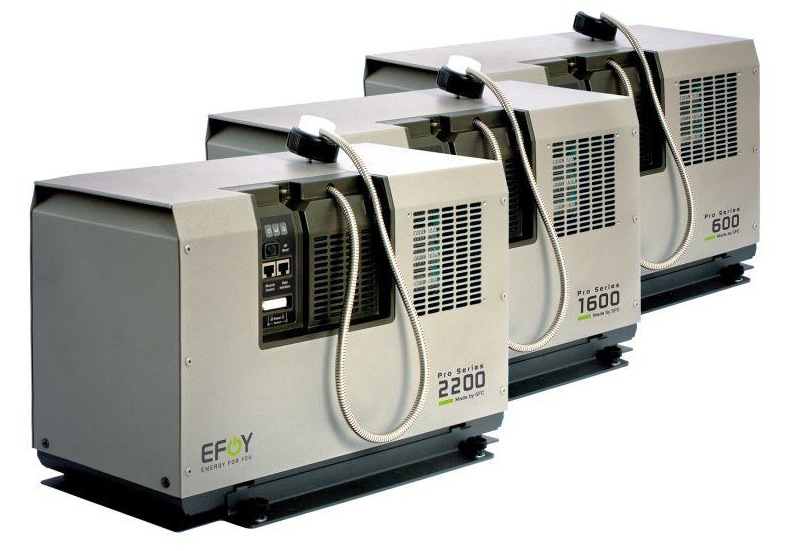
Base Stations for Mobil Networks that can run on Solar, Wind and Fuel Cells.IQ UPS Base stations cut diesel usage by 75 percent. IQUPS.com has designed a base station for mobile networks that would run on sun, wind power and fuel cells. Gas Stations (Powering gasoline pumps during a power failure).
Hospital EMS: IQ UPS Hospital Power Backup Electrical ( Emergency Power Back-up for Hospitals ).
Rail Roads: Railroad crossing signals backup.
Traffic intersections: backup power for critical LED traffic light intersections.
Solar Trees Arrays We Delivered On-Site For Fast Plug and Pay Installation Solar Tree structure are designed for the following applications: Shading vehicles from the sun and at the same time generate Green energy. Facilitate the creation of infrastructure for electric vehicles.
Traffic Application:
-Keeping Traffic Moving When The Power Goes Out Item#1608450 Portable Solar Powered 120 volts 60Hz. or 230 Volts 50 Hz, Portable Solar Powered 220 Volts 50 Hz, Portable Solar Powered 230V 50Hz, Portable Solar Powered 220Volts 50Hz pedestrian signals, A 120 or 240 V, 100 amp, single-phase IQUPS.com transfer panel is used to activate the generator at the loss of power. According to IQUPS, the generator assumes the full load in seven seconds. When utility power is restored, the generator shuts off and signal operation is automatically returned to the normal power source. "The IQUPS1800 will completely run the intersection stoplights," said general manager for the DOT. "Other backup systems will put the lights to flashing red. When the generator kicks in on the IQUPS1800, the lights will fully function for 25 to 40 hours, depending on the load at the intersection. When power is restored, the system returns to utility power and the traffic signals do not need to be reset." Battery Backups Prevent Accidents at Critical Traffic Signals Additional Applications Being Taken for More Intersections Keeping Traffic Moving When The Power Goes Out Portable Solar Power 120 Volts 60 Hz or 230 Volts 50Hz, Traffic Portable Solar Power 120 Volts 60 Hz Thanks to new IQTraffiControl.com energy-efficiency technology, different Cities, towns and counties will keep their traffic signals safely operating even if the electricity goes out, and other local governments. Intersections have been converted to new LED signal lights utilizing more efficient, LED (light emitting diode) lamps. The new lamps cut the amount of electricity used by each light from as much as 150 watts to between 10 to 25 watts. Because LEDs use so much less electricity, it is now technically possible to provide battery backup power to alike. We also Have Fuel Cells Traffic Backups.
IQ UPS Traffic Back-up Standby Power Generation.
- Battery backup systems for LED traffic Signs -
IQUPS Battery Backups Prevent Accidents at Critical Traffic Signals Increase the public safety and reduced traffic congestion by allowing traffic lights to function even during a power failure. A typical traffic signal intersection experiences eight to ten local power outages annually. With battery backup 3 power, some or all the traffic control signals can continue to operate. This seamless switchover to battery power increases public safety and eliminates the need to dispatch police or other service personnel to direct traffic. If all traffic signals were converted to LEDs, the battery backup system would allow full operation of the traffic signals during a power outage, thus alleviating traffic congestion.
OkSolar.com Affiliate
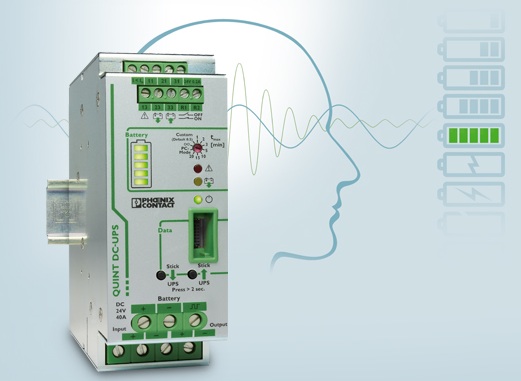
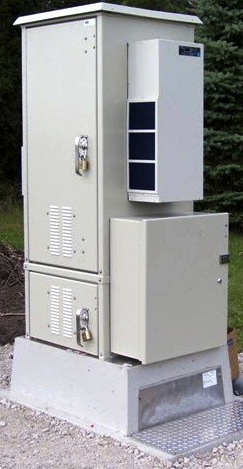
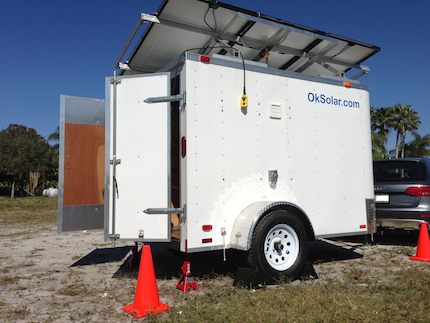
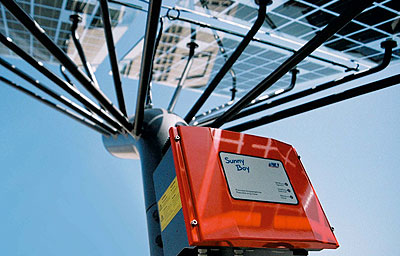
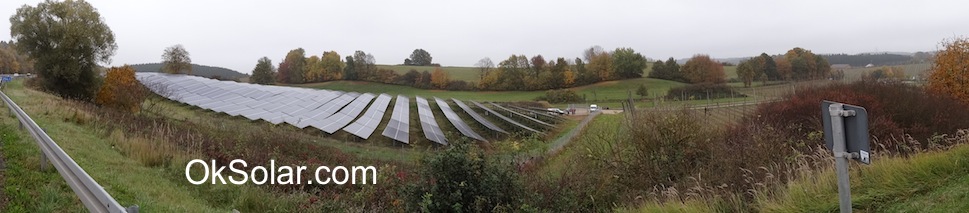
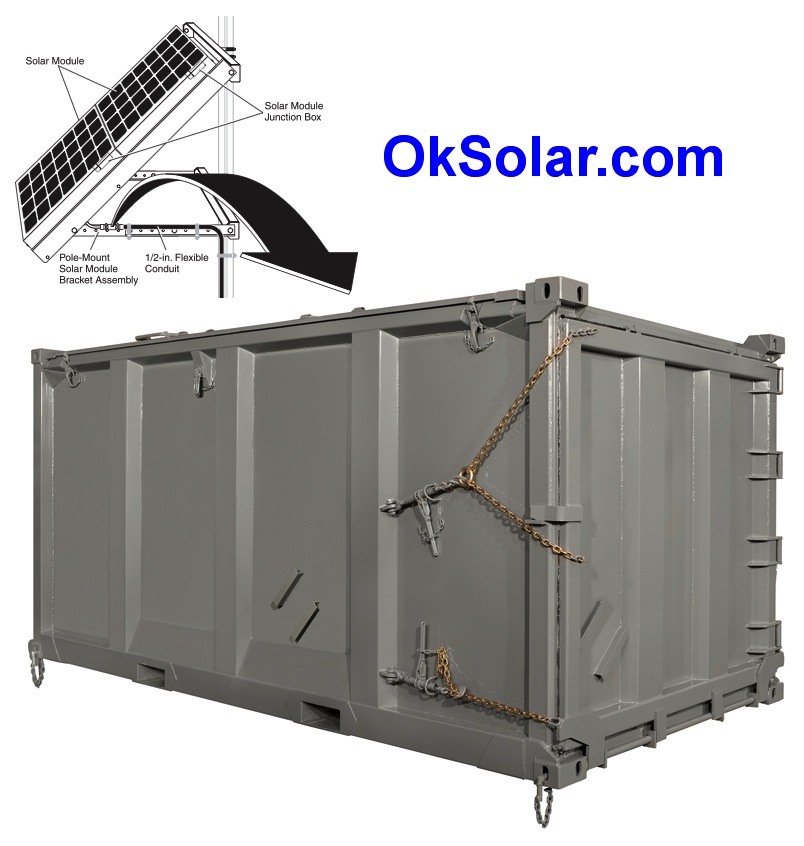
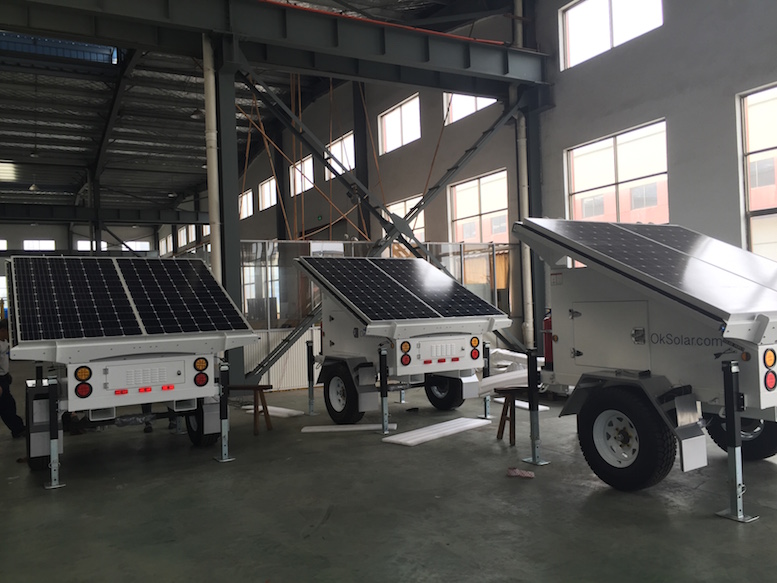
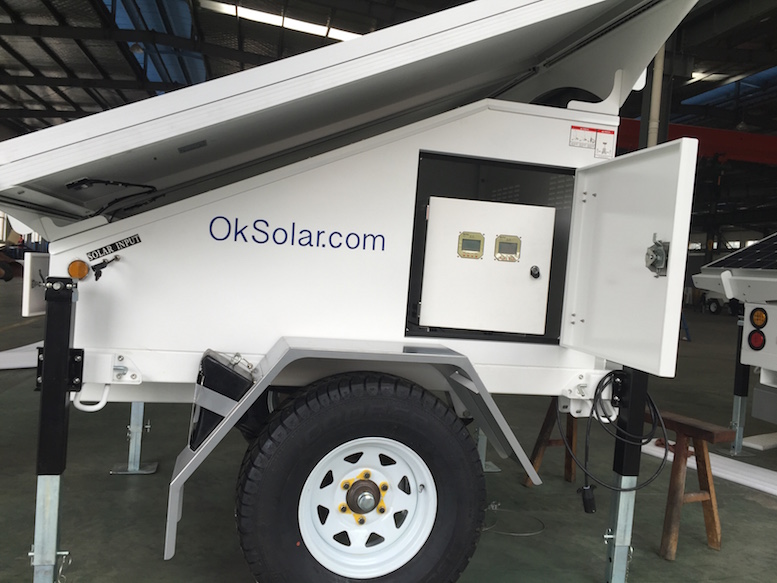
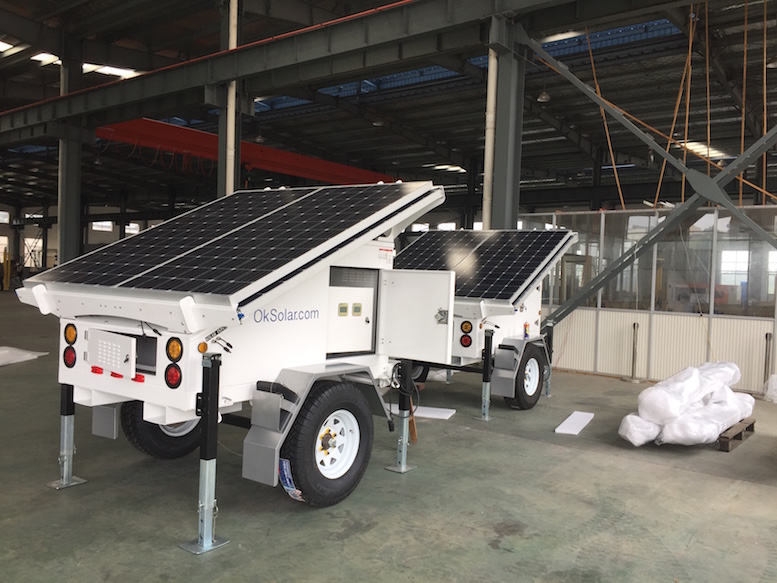
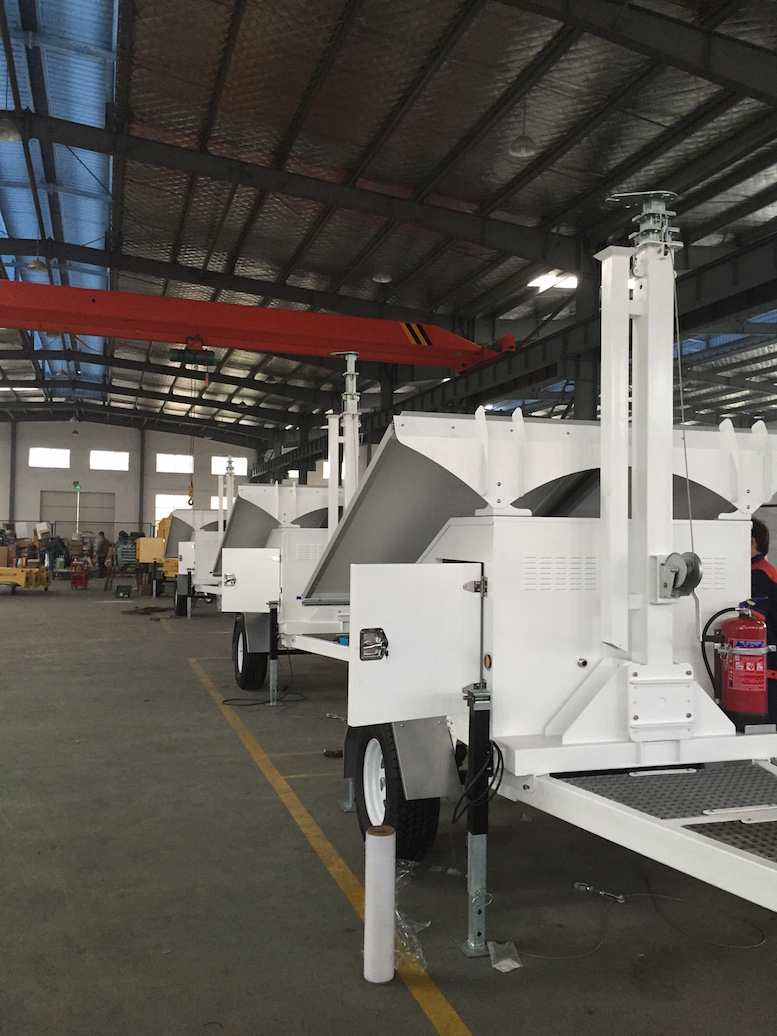
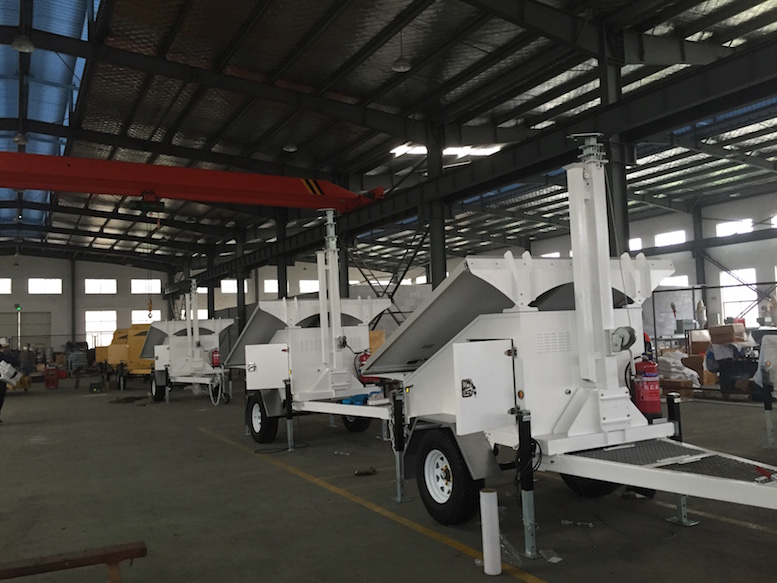
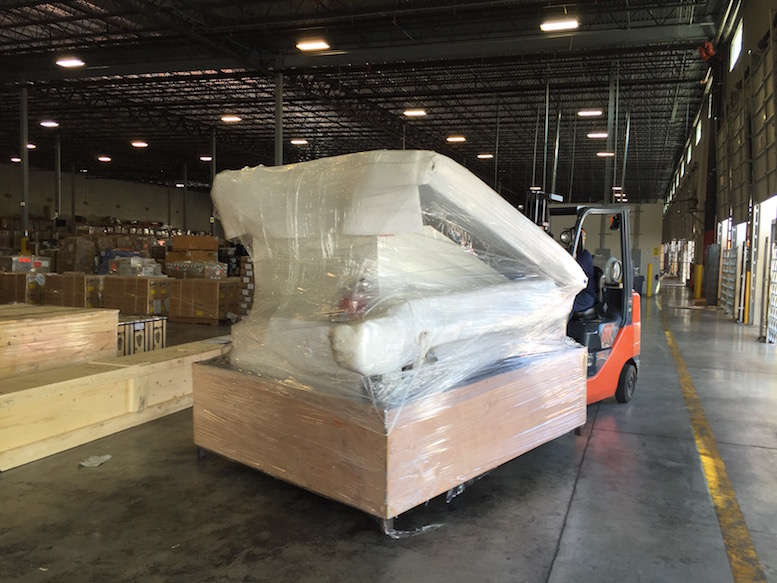
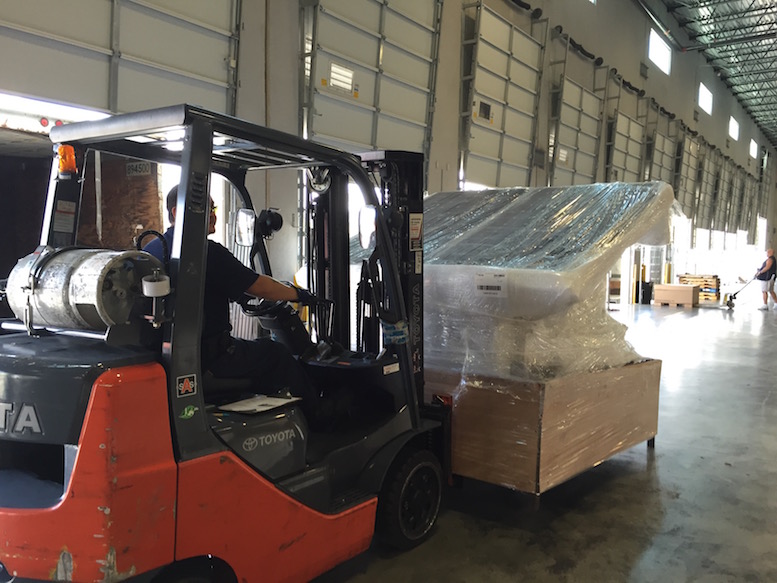
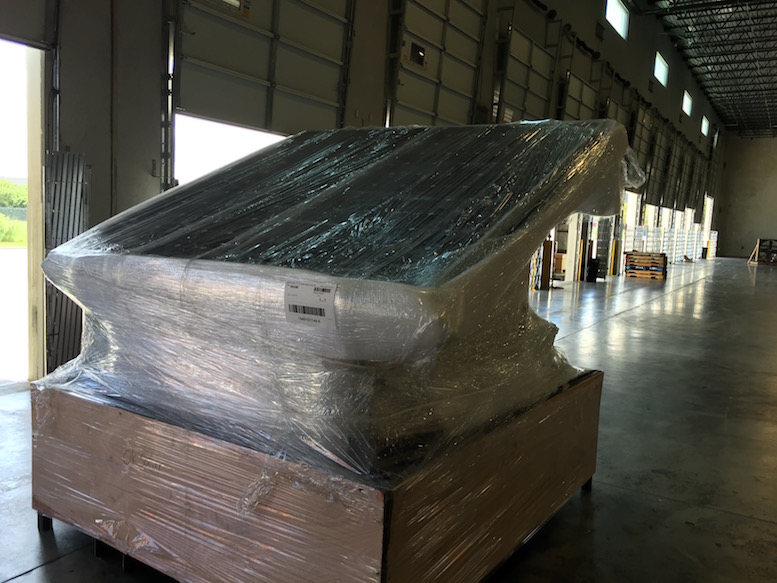
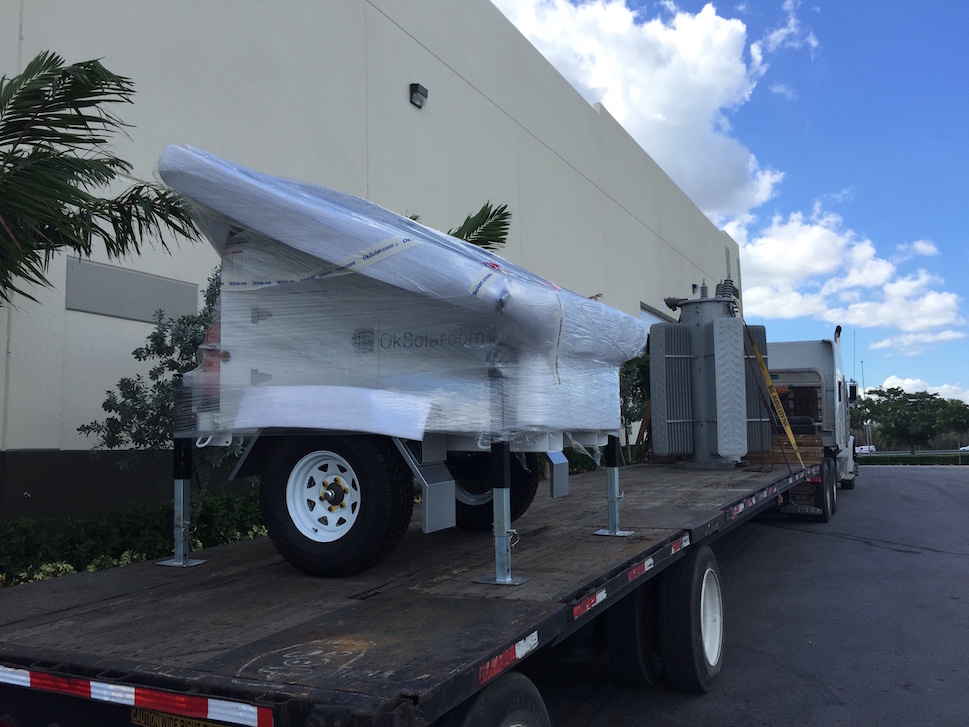
Sample Ready to ship unit
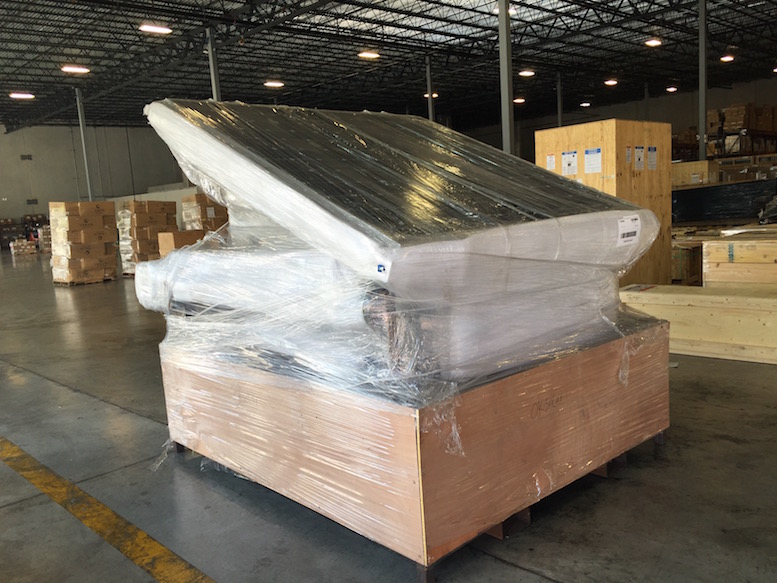

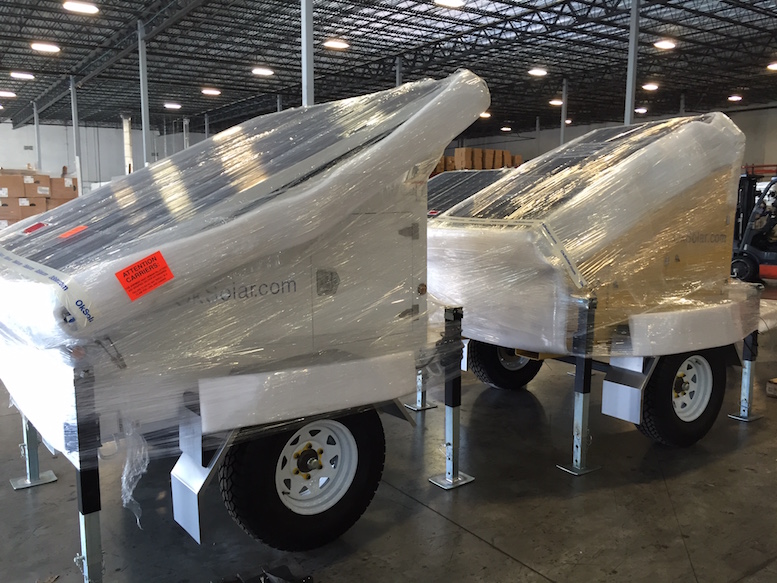
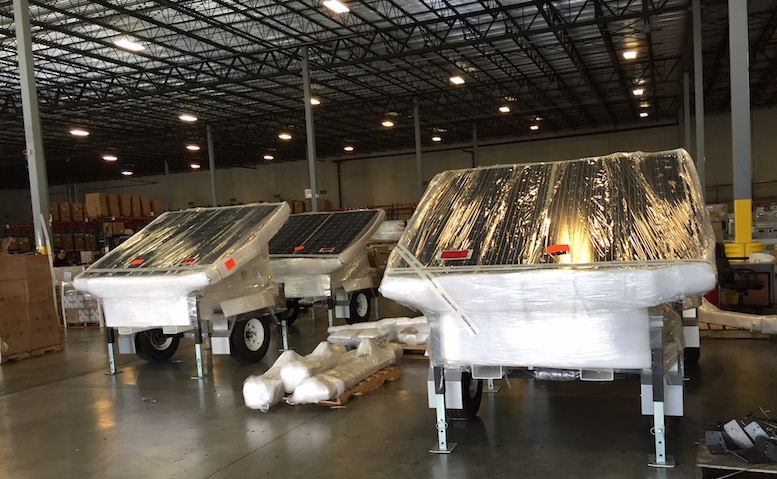
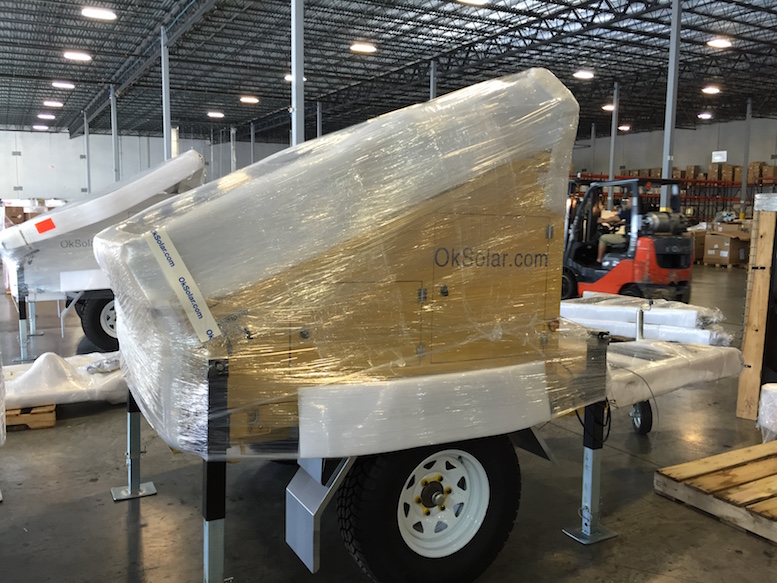


Manufacturer and distributor of Manufacturer and
distributor of Wireless Technologies bridges the rural
digital divide with fixed-point broadband, wireless
systems that deliver high-speed, wireless Internet,
radio, telephone, fixed wireless,
|













 ation
in conjunction with an aggregate throughput of
60 Mbps, the Tsunami QuickBridge 60 is the best
price/performance value for building-to-building
data connectivity. Providing outdoor
connectivity between buildings at distances of
up to 2.5 miles
ation
in conjunction with an aggregate throughput of
60 Mbps, the Tsunami QuickBridge 60 is the best
price/performance value for building-to-building
data connectivity. Providing outdoor
connectivity between buildings at distances of
up to 2.5 miles