Batteries
Applications: deka, east penn, battery,
batteries, battery accessories, battery
manufacturer, 8A22, 8A24, 8A27, 8A31 DT, 8A4D, 8AU1,
8G22NF, 8G24, 8G27, 8G30H, 8G4D, 8G8D, 8GGC2, 8GU1,
8L1 6, 12AVR1 00-3ET, 12AVR100 UNIGY I, 12AVR100
UNIGY I, 12AVR30 UNIGY, 12AVR30C UNIGY I, 12AVR40
UNIGY I, 12AVR75 UNIGY I, 12GVR100 UNIGY, 12GVR75
UNIGY I, 3-96085-195 UNIGY II, 3-9VR85-17S UNIGY II,
3-9VR85-23S UNIGY II, 3-AV685-33S UNIGY 8,
3-AVR85-21S UNIGY II, 3-AVR85-25S UNIGY II,
3-AVR85-27S UNIGY II, 3-AVR85-29S UNIGY 8,
3-AVR85-31S UNIGY II, 6-96675-15S IJNIGY II,
6-AVR75-13S UNIGY I, 6-AVR75-5S UNIGV, 6-AVR85-11S
UNIGY II, 6-AVR85-15S UNIGY II, 6-AVR85-7S UNIGY II,
6-AVR85-9S UNIGY II, gel, agm, valve-regulated
batteries, standby batteries, boat batteries, marine
batteries, truck batteries, suv batteries, garden
tractor batteries, tractor batteries, industrial
batteries, terminals, hold-downs, motive power
batteries, power sports batteries, small engine
batteries, motorcycle batteries, personal watercraft
batteries, snowmobiles batteries, scrubber sweeper
batteries, wheelchair batteries, electric vehicle
batteries, locomotive batteries, agv batteries,
telecommunications batteries, high rate, solar
batteries, primary wire, cable, wire, terminal
protectors, battery chargers, ultimate, unitech,
inferno, marine master, dominator, sea mate, unigy
Batteries are a key
component in a grid-tie with back-up or a
stand-alone renewable energy system that all
of the other components rely on for
operation. Without proper maintenance,
batteries can fail prematurely and shut the
whole system down. However, toiling over
your battery bank with a voltmeter,
hydrometer and a gallon of distilled water
every day is not necessary. With simple
monthly and quarterly maintenance
procedures, your batteries should last for a
long time. On the other hand, neglecting
your batteries can drastically shorten their
life span. The following statement sums it
up best, "few batteries die a natural death,
most are murdered". The following
information is designed to tell you how to
get the longest life and best performance
possible from your battery bank. Most of
this information is for flooded cell
lead-acid batteries; alkaline (Ni-FE &
Ni-Cad) and sealed gel-cell battery charging
characteristics are completely different.
Page Top
Types Used in Solar Systems:
There are three types of batteries that are
most popularly used in solar electric
systems. Each type has its pluses and
minuses, so we will also include the systems
the individual types are best suited for.
Page Top
Flooded Lead Acid:
Flooded lead acid batteries have the longest
track record in solar electric use and are
still used in the majority of stand-alone
solar systems. They have the longest life
and the least cost per amp-hour of any of
the choices. However the other side of the
coin is, in order to enjoy these advantages,
they require regular maintenance in the form
of watering, equalizing charges and keeping
the top and terminals clean. Some examples
of flooded lead-acid batteries used in solar
electric systems are 6 volt golf-cart
batteries, 6 volt L-16's and 2 volt
industrial cells for large systems.
Page Top
Absorbed Glass Mat Sealed Lead Acid (AGM):
AGM batteries are seeing more and more use
in solar electric systems as their price
comes down and as more systems are getting
installed that need to be maintenance free.
This makes them ideally suited for use in
grid-tied solar systems with battery
back-up. Because they are completely sealed
they can't be spilled, do not need periodic
watering, and emit no corrosive fumes, the
electrolyte will not stratify and no
equalization charging is required. AGM's are
also well suited to systems that get
infrequent use as they typically have less
than a 2% self discharge rate during
transport and storage. They can also be
transported easily and safely by air. Last,
but not least, they can be mounted on their
side or end and are extremely vibration
resistant. AGM's come in most popular
battery sizes and are even available in
large 2 volt cells for the ultimate in low
maintenance large system storage.
When first introduced, because of their high
cost, AGM's were mostly used in commercial
installations where maintenance was
impossible or more expensive than the price
of the batteries. Now that the cost is
coming down they are seeing use in all types
of solar systems as some of today's owners
think the advantages outweigh the price
difference and maintenance requirements of
flooded lead acid batteries.
Page Top
Gelled Electrolyte Sealed Lead Acid:
Gelled lead acid batteries actually predated
the AGM type but are losing market share to
the AGM's. They have many of the same
advantages over flooded lead acid batteries
including ease of transportation, as the AGM
type, except the gelled electrolyte in these
batteries is highly viscous and
recombination of the gases generated while
charging, occurs at a much slower rate. This
means that they typically have to be charged
slower than either flooded lead acid or AGM
batteries. In a solar electric system you
have a fixed amount of sun hours every day
and need to store every solar watt you can
before the sun goes down. If charged at too
high a rate, gas pockets form on the plates
and force the gelled electrolyte away from
the plates, decreasing the capacity until
the gas finds its way to the top of the
battery and is recombined with the
electrolyte. For use in a grid-tie with back
up system or any system where discharge
rates are less than severe, gel batteries
could be a good choice.
Page Top
Think of your batteries like a bucket of
energy...
Batteries are simply a storage vessel for
the direct current (DC) power produced from
your charging sources (solar modules, wind
generator, micro-hydro or generator/battery
charger). If you aren't familiar with the
water to electricity analogy, please read
the Basics of Electricity section. If you
don't have time to read that whole section,
then just remember that pressure = voltage
and flow rate = amperage. The size of the
bucket determines how much water it will
hold which is analogous to the amp-hour
storage capacity of a battery (bigger,
heavier batteries hold more energy like a
larger bucket holds more water). If you
connected a pressure gauge to the bottom of
a bucket and started filling it with water
you would see the pressure increase until
the water reaches the top. The same holds
true for a battery as you put amperage or
current into it, the voltage level rises.
Page Top
Deep Cycle vs. Shallow Cycle
In battery lingo, a cycle on your battery
bank occurs when you discharge your battery
and then charge it back up to the same
level. A lead acid battery is designed to
absorb and give up electricity by a
reversible electrochemical reaction.
How deep a battery is discharged is termed
depth of discharge (DOD) while the state of
charge (SOC) is 100% minus the DOD. This
means that a 25% DOD equals a 75% SOC. A
shallow cycle occurs when the top 20% or
less of the battery's energy is discharged
and then recharged. Automotive starting,
lighting and ignition batteries (SLI) are of
the shallow cycle type and are not
recommended for use in a photovoltaic
system. The lead plates inside an SLI
battery are thin with a large overall
surface area. This design can produce a high
amount of current in a very short time
(which is ideal for starting engines), but
cannot be discharged very deeply without
damaging them and/or shortening their life
span considerably.
Deep cycle batteries on the other hand can
be repeatedly discharged to 80% DOD and
recharged without damaging them (although
repeated deep cycling will shorten the
battery's life as compared to the same
number of shallow cycles). Deep cycle
batteries have thicker lead plates which
have less overall surface area as compared
to an SLI battery. Because of the lessened
availability of surface area for chemical
reaction, deep cycle batteries produce less
current than a shallow cycle battery but can
produce that amount of current for a much
longer period of time.
The depth of cycling has a good deal to do
with determining a battery's useful life.
Even batteries designed for deep cycling are
"used up" faster as the depth of discharge
is increased. It is common practice for a
system to be designed with deep cycle
batteries even though the daily or average
discharging amounts to a relatively shallow
depth of discharge. To get the longest life
out of your battery bank, purchase deep
cycle batteries and shallow cycle them.
Page Top
Warm in the winter, Cool in the summer
The speed of the charging and discharging
chemical reactions occurring inside a
lead-acid battery is governed by temperature
and charge/discharge current. The colder the
temperature the slower the reactions and
conversely the warmer the temperature the
faster the reactions. Hence a cold battery
will deliver less amperage in any given time
frame as compared to a warm battery. Most of
us have experienced this effect when trying
to start our cars on a cold morning; the
engine just doesn't turn over as quickly if
at all. Warm that same battery up and you
will see a major improvement. (See the bar
graph of temperature effects below). The
optimum temperature for a lead-acid battery
is around 77°F, but 60-80°F is acceptable.
For this reason we like to see batteries
placed indoors or in a heated and ventilated
space to maintain them between 60° to 80°F.
If you do install them in an unheated space,
battery capacity must be increased to
compensate for this derating. On the other
extreme, high temperatures (110°F+) can
drastically shorten the life of the battery
and should be avoided as well.
Page Top
Batteries aren't 100% efficient
Energy is never consumed or produced, it
merely changes form. The efficiency of
conversion is never 100% and in the case of
new batteries averages around 90%. This
means that if you want to discharge 100
watt-hours of energy from a battery you must
charge it with approximately 110 watt-hours
of energy.
Due to impurities in the chemicals used for
battery construction, batteries will lose
power to local action, an internal reaction
which occurs whether you are using the
battery or not. This slow discharging is
termed self-discharge and its rates vary
greatly among battery types and increases
along with temperature. The rate also
increases with the age of a battery, so much
so that an old battery may require
significant amount of charging just to stay
even. Even new batteries may lose 1 to 2% of
charge per day. Lead calcium grid batteries
have the lowest self-discharge rates, but
are not designed for deep cycling
applications.
Page Top
Determining battery state of charge
Battery state of charge is determined by
reading the static (i.e. not charging or
discharging) battery voltage or the specific
gravity of the electrolyte. The density or
specific gravity of the sulfuric acid
(H2SO4) electrolyte of a lead-acid battery
varies with the state of charge and
temperature. The density is lower when the
battery is discharged and higher as the
cells are charged, (see the table below).
This is because the electrolyte is part of
the chemical reaction, it changes as the
chemical reaction takes place. Specific
gravity is read with a hydrometer which will
tell the exact state of charge. A hydrometer
cannot be used with sealed or gel-cell
batteries.
Voltage meters are used to approximate
battery state of charge. They are relatively
inexpensive and easy to use. The main
problem with relying on voltage reading
alone is the high degree of battery voltage
variation through the working day. Battery
voltage reacts highly to charging and
discharging. In a PV system we are usually
charging or discharging and many times are
doing both at the same time. As a battery is
charged the indicated voltage increases and
as discharging occurs, the indicated voltage
decreases.
These variations may seem hard to track, but
in reality they are not. A good accurate
digital meter with a tenth of a volt
accuracy can be used with success. The
pushing and pulling of voltage, once
accounted for by experience, can also help
indicate the amount of charging or
discharging that is taking place.
By comparing voltage readings to hydrometer
readings, shutting off various charging
sources or loads and watching the resulting
voltage changes, the system owner can learn
to use indicated voltage readings with good
results.
Page Top
Monitoring & Maintenance:
Monitoring battery state of charge is the
single largest responsibility of the system
owner. The battery voltage should be kept at
or above a 50% state of charge at all times
for maximum battery life (see the battery
voltage table). Be sure to keep the
battery's electrolyte level at the marked
full level and never let the plates become
exposed to the air. When refilling the
batteries, use only distilled water - not
tap water. Water is the only element used by
your battery, you should never have to add
additional acid to your battery. Do not
over-fill the batteries or fill when the
batteries are discharged. Over-watering
dilutes the acid excessively and electrolyte
will be expelled when charging.
Page Top
Battery Gassing:
As batteries are charged they create bubbles
of gas, produced when the chemical reaction
cannot keep up with the energy input. Some
gassing is necessary in flooded cell
batteries. The amount and duration of
gassing varies from one battery to another.
Gassing mixes the electrolyte and
compensates for the tendency of the
electrolyte to stratify with the more dense
acid on the bottom. Gassing is the product
of splitting water molecules into hydrogen
and oxygen. This consumes water and creates
the need for its periodic replacement.
Page Top
Corrosion:
A slight acid mist is formed as the
electrolyte bubbles upon charging. This mist
is highly corrosive, especially to the
metallic connectors on the tops of the
batteries. Inspect for corrosion and
carefully clean these periodically as needed
with baking soda and water. Be sure not to
get any baking soda into the battery
electrolyte as it will have a neutralizing
effect. Corrosion buildup can create a good
deal of electrical resistance, which can
contribute to shortened battery life and the
waste of power. It's always a good idea to
wear goggles and protective gear (goggles,
rubber gloves and apron) when working on
your batteries as the sulfuric acid can
seriously damage your eyes and eat holes in
your clothes.
Page Top
Equalization (EQ):
Equalization is a controlled overcharging of
a fully charged battery. This overcharge
mixes the electrolyte, evens the charge
among varying battery cells and reduces
permanent sulfation of the battery plates.
It is energy invested in lengthening the
life of the battery. Though the PV system
battery bank receives a good deal of cycling
and gassing through normal activity,
equalization is a complement to this
activity and as a rule of thumb should be
done every 60 to 90 days. The equalization
process consumes water and produces much
gassing, so your batteries should be well
ventilated during this charging.
Equalization charging voltages vary widely,
as do duration times, so the batteries
should be monitored closely during this
process. Check periodically during the EQ
process. You don't have to check every cell
each time, but watch any that show a high
variation from the rest of the cells. Keep
checking the specific gravity of the
electrolyte until you receive three readings
of 30 minutes apart which indicate no
further increase of specific gravity values.
Keep a record of individual cell voltages
and specific gravity before and after
equalizing. Equalization will take your
voltage to 15 volts or higher (30 volts on a
24 volt system) so make sure any DC loads
are disconnected before you begin.
Page Top
Battery Connections:
The connections from battery to battery and
on to the charging and load circuits are
critical. Before connecting your batteries
together, be sure that the interconnects and
battery terminals are clean. When making
your series and parallel battery
connections, be careful not to torque the
connecting hardware too tight as the
battery's lead posts can break easily. After
all battery connections are made, go back to
each battery terminal and apply
anti-corrosion coating or grease to minimize
corrosion build up. Torquing all bolts
equally avoids variations in resistance.
This variation in resistance is the main
reason we prefer to minimize the number of
parallel strings in the bank. Higher
resistance values on one string of batteries
result in less charge to that string and
consequently shorter life. We also place the
main negative and positive on opposing
corners of the battery bank. The goal is to
keep the variation of resistance from one
parallel string to another to a minimum.
Page Top
Used Batteries:
Like most things, you get what you pay for.
Used lead acid batteries, especially large
two volt telephone type cells can be found
for sale at some very attractive prices.
While used solar modules and inverters are
usually an acceptable risk, used batteries
are not. Should you consider them? In our
experience it is difficult to know just how
an older battery has been used and cared
for. Our recommendation on used batteries is
to inspect them carefully in person, get as
much information as you can on them
(manufacturer, age, amp-hour capacity and
type of system they were used in) and have
them load tested. Without load testing used
batteries you are really guessing as to
their remaining life. If you are considering
telephone cells, realize that they are
normally shallow cycle lead calcium grid
construction, and should not be used in a
system designed for deep cycling.
Page Top
DON'T SKIMP ON BATTERIES!
A correctly sized battery bank is vital to
the proper functioning of your system.
Compromising on the battery bank can lead to
poor performance and dissatisfaction with
the entire system. Do not skimp here.
|
We provide OEM energy solutions for military and government, as well as private sector applications, helping clients achieve 100% up-time for applications ranging from Hospitals, school warning signals to explosion proof street lights.Applications:
Commercial - Industrial - Disaster Relief - Military and Residential
OkSolar.com Affiliate

IP Video Anywhere Solar Powered!
Protecting Critical Government Infrastructure
Military and Homeland Surveillance
IP Video AnyWhere Solar Powered!
IP Video solutions are the next wave in CCTV surveillance. The ability to monitor your systems from anywhere, IP video solution.
Keep an eye on your critical facilities at all times.
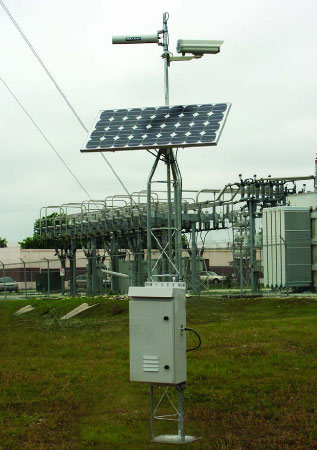
With OkSolar’s IP Video Anywhere, you can monitor sites several thousand miles away as if they were across the street. Our system facilitates remote site surveillance through energy-independent operation and allows video to be transmitted over IP without any physical lines being installed. Companies with remote or hard to access assets, such as oil and gas pipelines, bridges or rural properties, have not had an effective, economical solution for protecting those assets. Some of the features like automated archiving allow you not only to track construction progress in real time but also to retrieve past images which can be used to resolve issues quickly.

Traffic Warning Signals
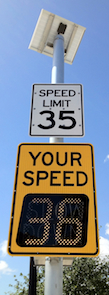
Our 12', 2 Head, Solar powered school warning flasher signal is the cost effective solution to your pedestrian safety problems. More Information > Traffic control lights, LED Traffic signals Manufacturer & Distributor, School Zone LED, School Zone LED flashing beacon, 24 7 hour led flashing beacon traffic, school zone, School warning signals, 24 hours warning Flashers, Road way warning signals, pedestrian crossing, railroad warning, ice on bridge warning, low water crossing, led beacons, speed awareness displays, Solar Powered Pedestrian Beacon, Pedestrian Beacons, 24/7 Flashing Beacon
SolarLighting
Complete turn key Systems Solutions for Solar Lighting
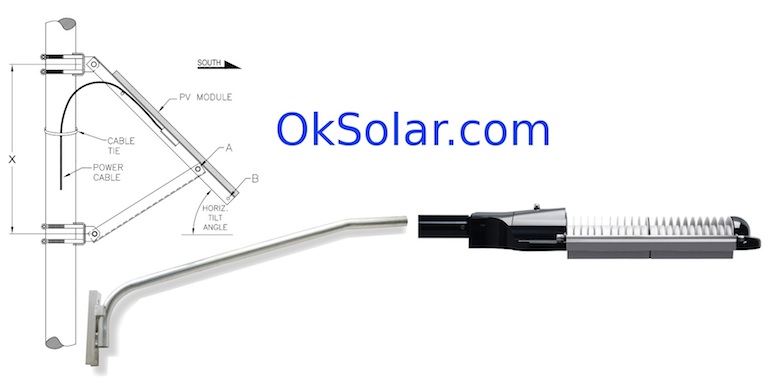
All components needed for installation are included (except for the mounting pole). The systems are designed for installation onto a wood, concrete, or metal mounting pole. You may choose to use your own pole or we can quote the poles separately from the lighting system itself.
These units can be used for: Area lighting, Billboards lighting, Dock lights, Park lighting, Parking lot lighting, Parkway lighting, walkway lighting, Street lighting, Transit Lighting, Outdoor area lighting
Complete turn key Systems Solutions for Solar LED Lighting
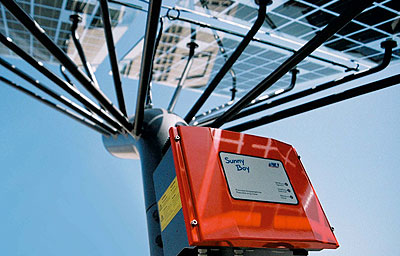
Solar Tree
We Delivered On-Site For Fast Plug and Pay Installation Solar Tree structure are designed for the following applications:
-Shading vehicles from the sun and at the same time generate Green energy.
-Facilitate the creation of infrastructure for electric vehicles.
One Solar Tree structure system shades eight standard parking spaces.One Solar Tree structure generates enough energy to fully charge eight electric vehicles each day or power Office Space, Industrial plants or a House. We Ship Worldwide in site technical support available.
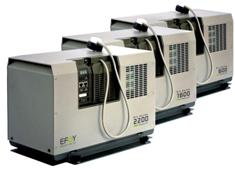
Fuel Cell Are you tired of your devices being left in the dark, when your solar energy system stops providing power? Then IQ Fuel Cells are the perfect answer for you. Are now available as an alternative source for renewable energy. Unlike traditional power generators, they don't require gasoline to generate power. They also provide an alternative to solar generators because they do not depend on any external power gathering equipment. These units are compact, durable, and built to power a wide range of applications.
The Best Generator Ever!
Applications: Airports, Computer Rooms, Hospitals, Traffic, UPS
Smart designs with IQ Fuel Cells for smart energy applications Contact us today!
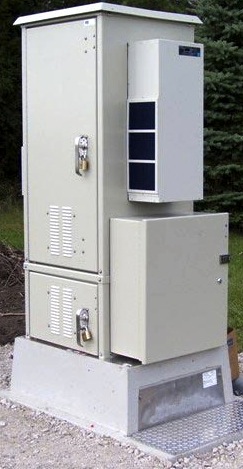
Battery Backup Systems for LED Traffic Signs Increase the public safety and reduced traffic congestion by allowing traffic lights to function even during a power failure. A typical traffic signal intersection experiences eight to ten local power outages annually. With IQUPS battery backup power, some or all the traffic control signals can continue to operate. This seamless switchover to battery power increases public safety and eliminates the need to dispatch police or other service personnel to direct traffic. If all traffic signals were converted to LEDs, the battery backup system would allow full operation of the traffic signals during a power outage, thus alleviating traffic congestion.
Important feature is the battery backup system’s ability to maintain the memory of the traffic signal controller. The controller is responsible for sequencing the on and off times of the various signals. With a battery backup system, the controller’s memory can be maintained and return to normal operation once the outage has ended. This feature has eliminated the time spent to reprogram controllers after a power outage
Traffic IQUPS It is designed to provide backup power for critical LED traffic light intersections. With 1,000 watts of true sinewave power available, IQFuel Cell and maintenance free Deep cycle batteries.
Traffic IQUPS will drive most large LED systems. Its pure sinewave output is cleaner than utility power, making it ideal for all loads.
Total distortion is typically less than 1.5%. Manufactured in the USA to the highest standards possible, Traffic IQUPS system is the best choice for critical load protection. power outage knocked out traffic lights, backup generators, emergency generator
Depending on the consumers needs, the IQFuelCell automatically charges the battery with up to 100 Ah per day. As independent power supply or in combination with other systems, the IQFuelCell runs self-sufficiently for months.
The circuit is fully protected via breakers and fuses on the AC input, connection to the batteries, and DC loads. Outdoor, lockable, aluminum enclosure includes tamper-proof hardware suitable for pole or wall mounting. DC.
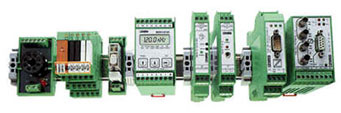
IQAirport
Airport and Heliport landing back-up Battery Charger: 12Volts, 24 Volts, 36Volts, 48 Volts -120VAC or 230VAC Using state-of-the-art, switch-mode technology, the DLS Power Supply series is engineered with the user and variable environmental conditions in mind. Extra care has been given to insure many years of service-free operation, even when subjected to extremely harsh conditions. Batteries are charged quickly and efficiently without over charging and pumps, motors, and fans operate perfectly for prolonged life.
OkSolar.com has decided to adopt QR-Codes in our manufacturing process to streamline support and maintenance in all of our applications, resulting in savings for Government Agencies.
Projects:
Projects
Battery
Storage for Smart Grid IQUPS.com Renewable Energy - Solar PV Plants -
Electric Car Charging Stations - Smart Grid.
BBS Battery Backup system for Obstruction Lights Obstruction Lighting.
Buoy-Based Security System For Ports - How to Secure Ports - Obstruction
Lighting - Marine Lanterns - Infrared LED Red Beacon.
OkSolar Projects Commercial Industrial
and Military - Hospital Solar Power Solutions.
Electric Vehicle Charging Station Solar Powered - How To Create a System to
Solar Power Electric Cars.
How To Create a System to Solar Power Electric Cars.
How to Install a Obstruction Lighting in a Wind Turbine - Wind Turbine
Lighting.
How to Install a Solar Powered Obstruction Lighting in a Wind Turbine -
Solar Powered Wind turbine Obstruction Lighitng FAA Certified.
How to Secure Ports -
Obstruction Lighting - Marine Lanterns - Infrared LED Red Beacon
How to use a BBS Battery Backup system for Obstruction Lights Obstruction
Lighting.
Modular Energy Storage Solar Powered, Wind and Fuel Cells Assisted
Substantially reduces the requirement for diesel fuel and the associated
costs and logistics and attacks..
Military Modular Energy Storage Solar Powered - Wind - Fuel Cells Assisted
Substantially reduces the requirement for diesel fuel and the associated
costs and logistics and attacks.
IQUPS.com Develops Modular Power Storage for Renewable Energy - Solar PV
Plants - Electric Car Charging Stations - Smart Grid.
Shipping
Containers Solar Powered - Modular Energy Storage Solar Powered Wind
Assisted.
Skystream Hybrid 6 wind-solar system increases energy production of the
solar array by up to 35 percent compared with a fixed mount system.
Solar LED Street Lamp -
Obstruction Lighting - Marine Lanterns - Infrared LED Red Beacon
Solar Powered Obstruction Lighting for Wind Turbines.
Solar Powered Obstruction Lighting for Wind Turbines Generators -
Obstruction Lighting Solar Powered.
Solar Powered Schools
Self Powered by a Shipping container.
Wind Turbine Generator Obstruction Lighting Solar Powered.
Wind Turbine Lighting -
Solar Powered Wind turbine Obstruction Lighitng FAA Certified.
Wind Turbine Obstruction Lighting Solar Powered FAA-Certified L-864.
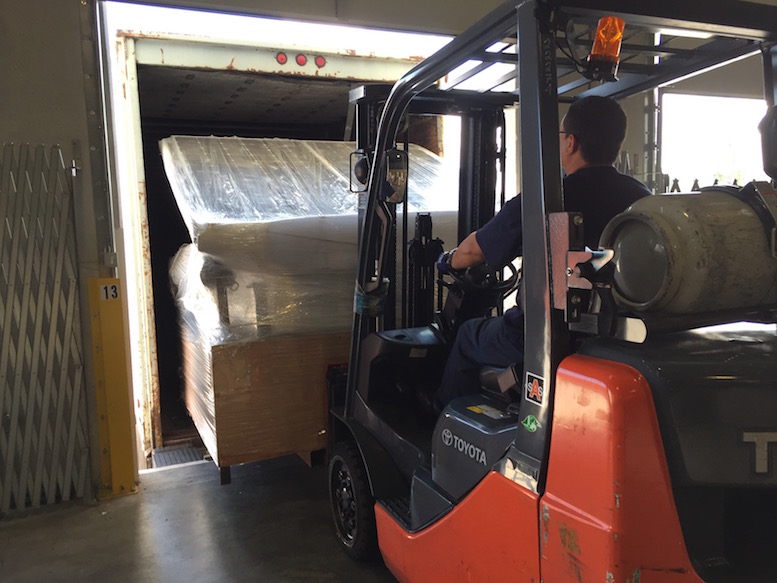
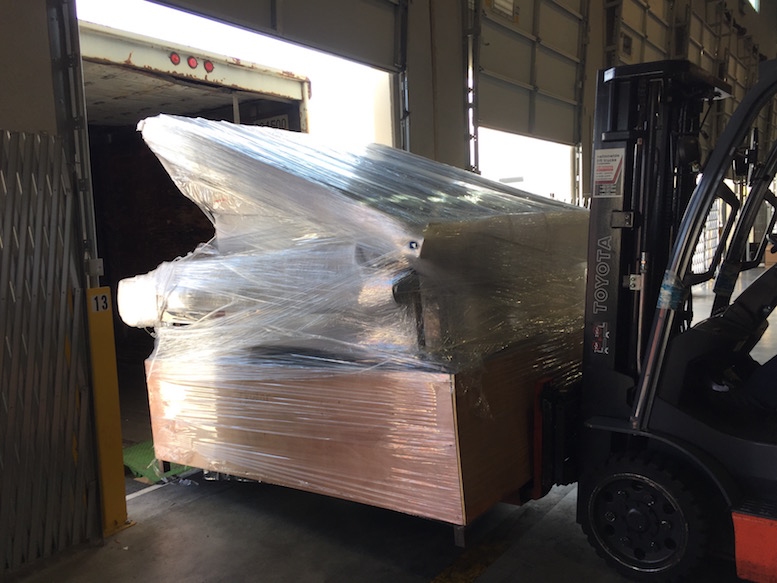
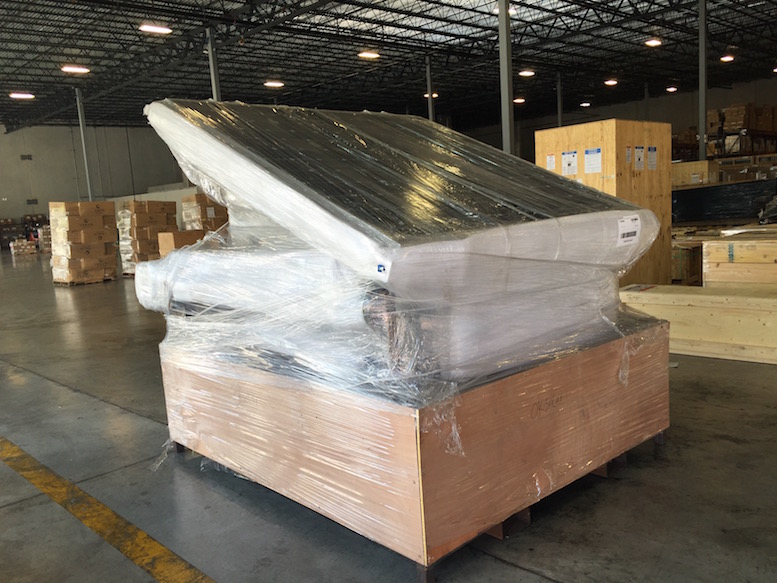
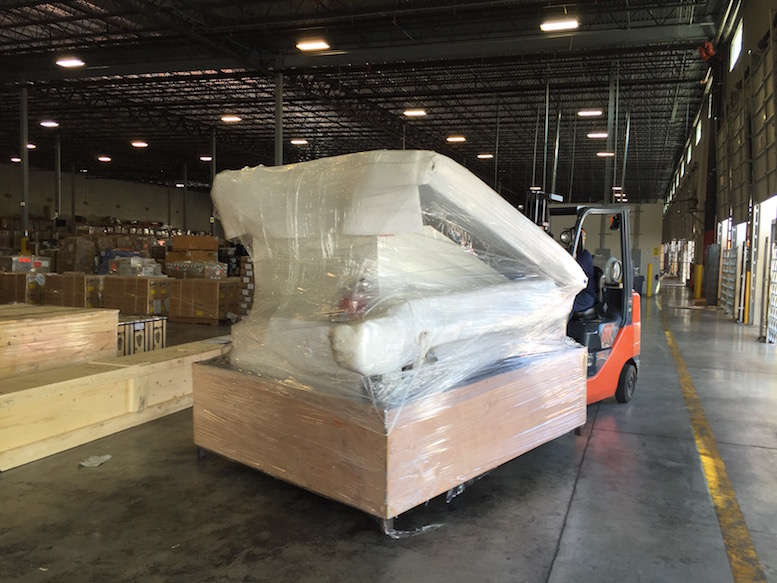
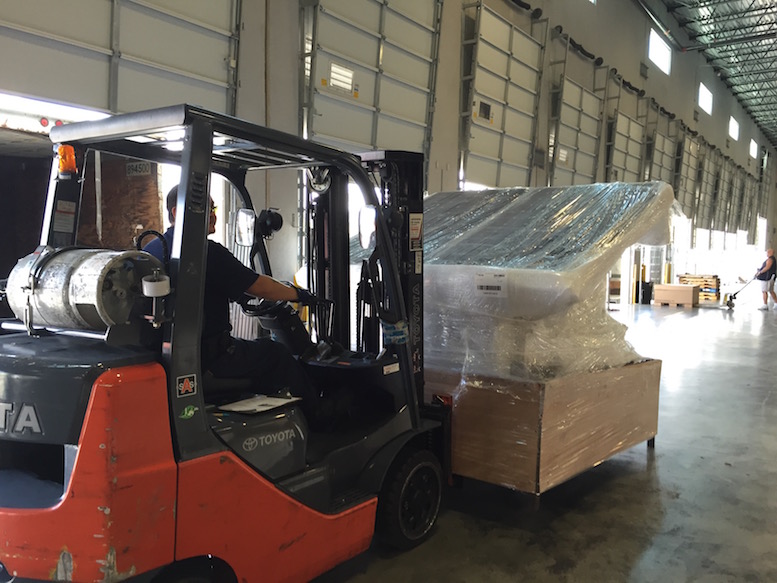
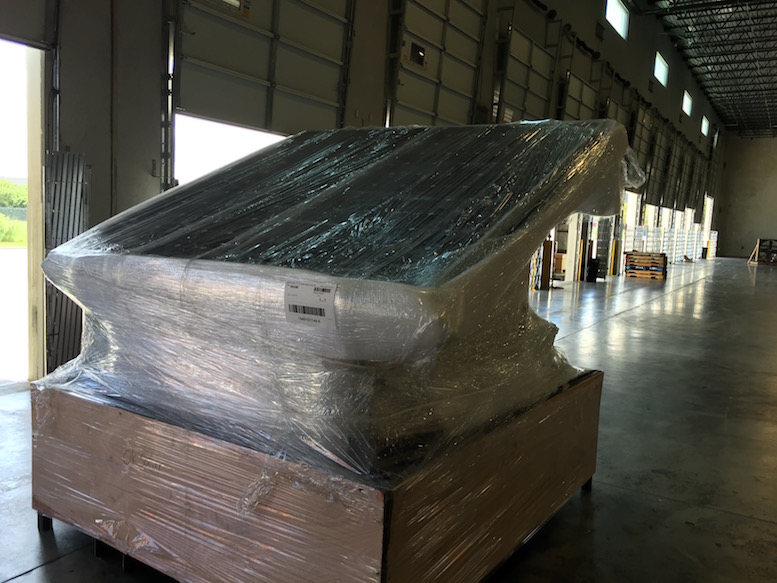
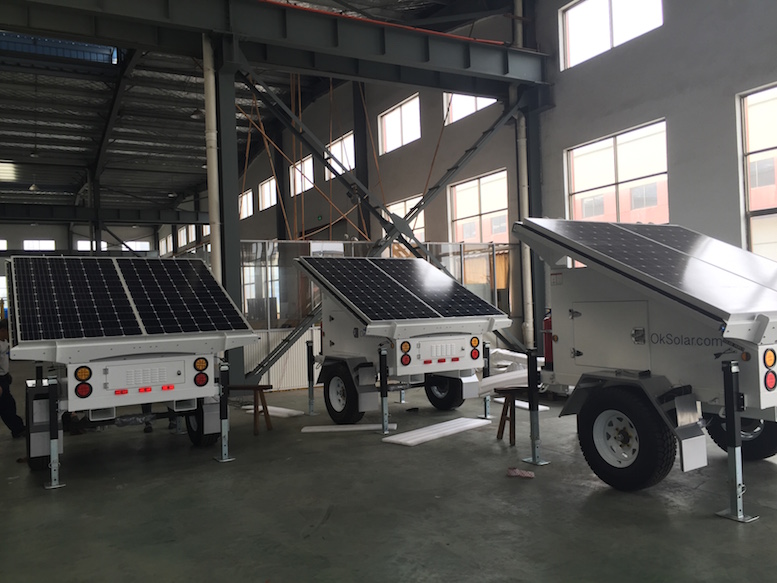
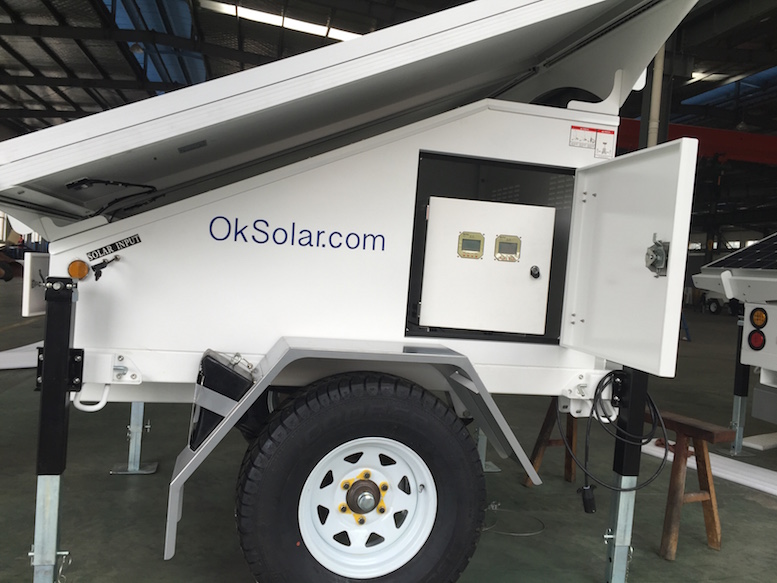
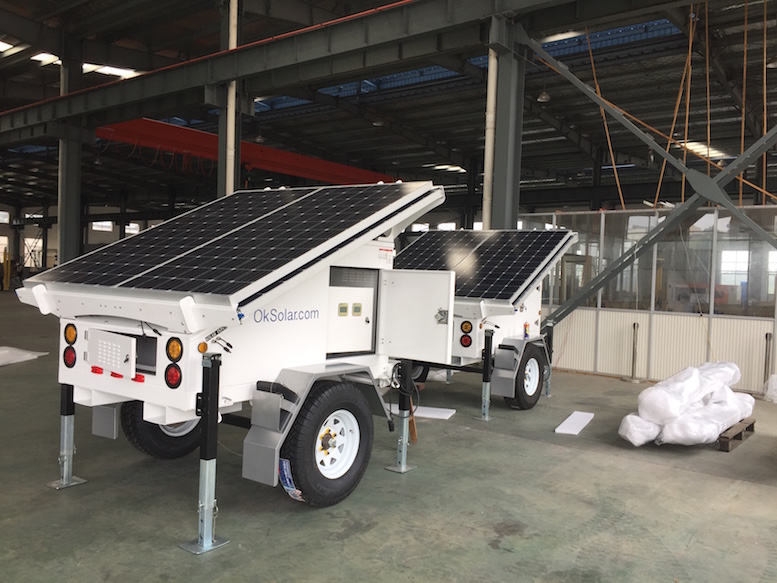
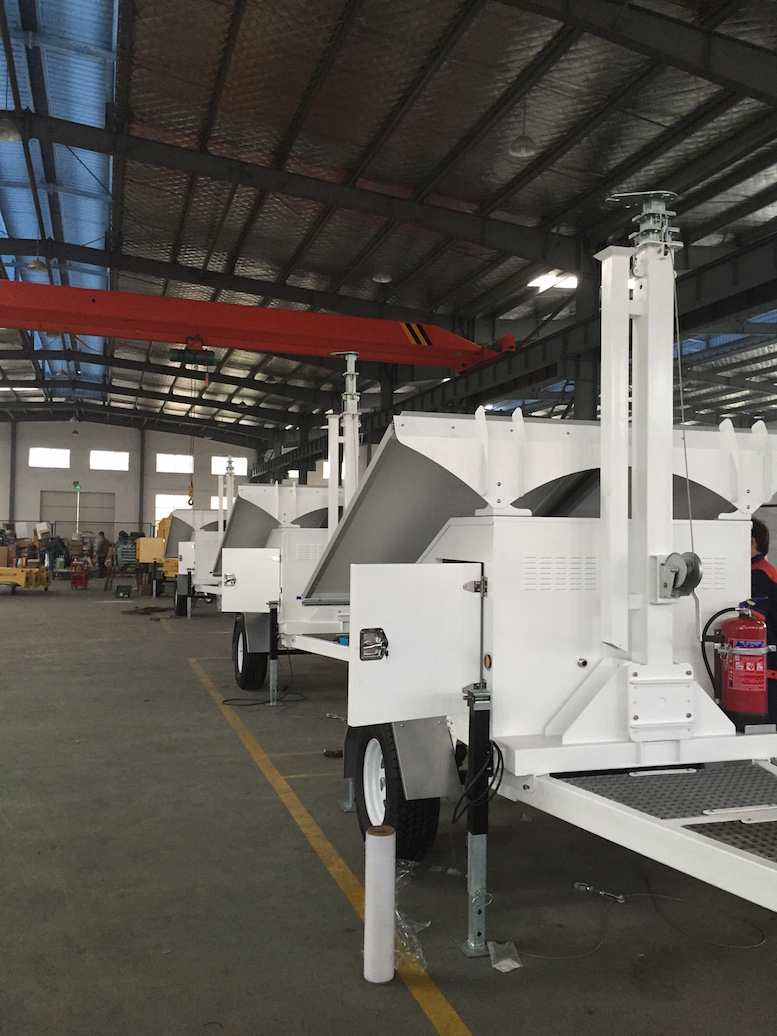
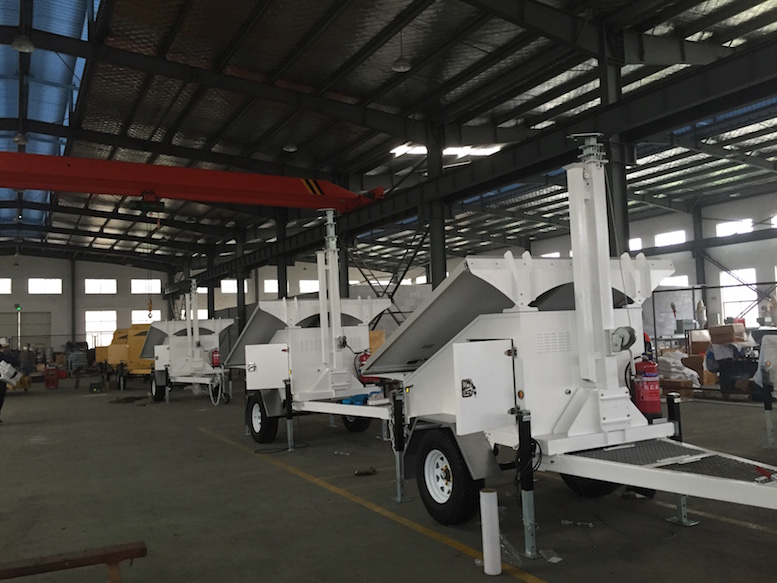
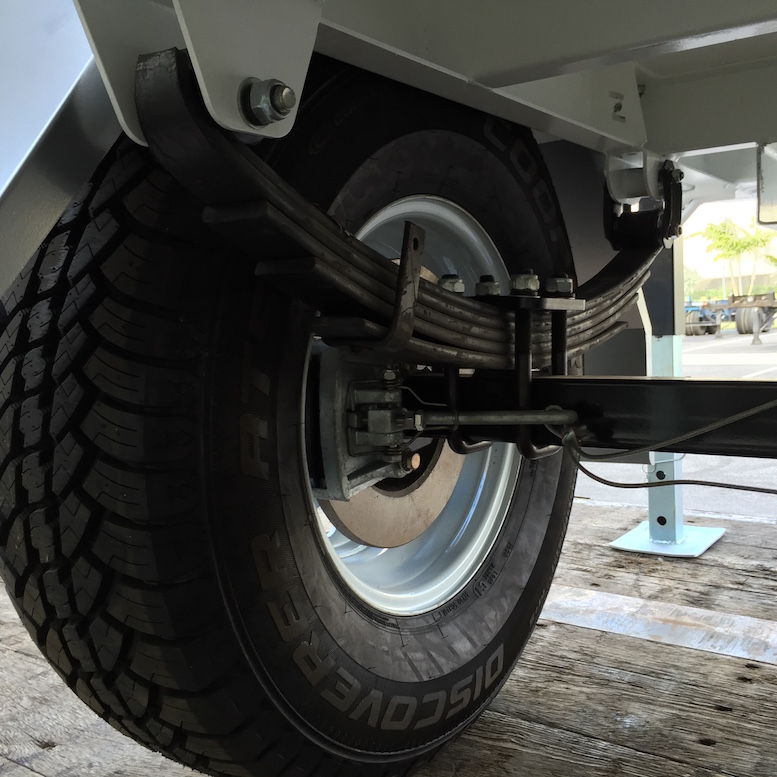
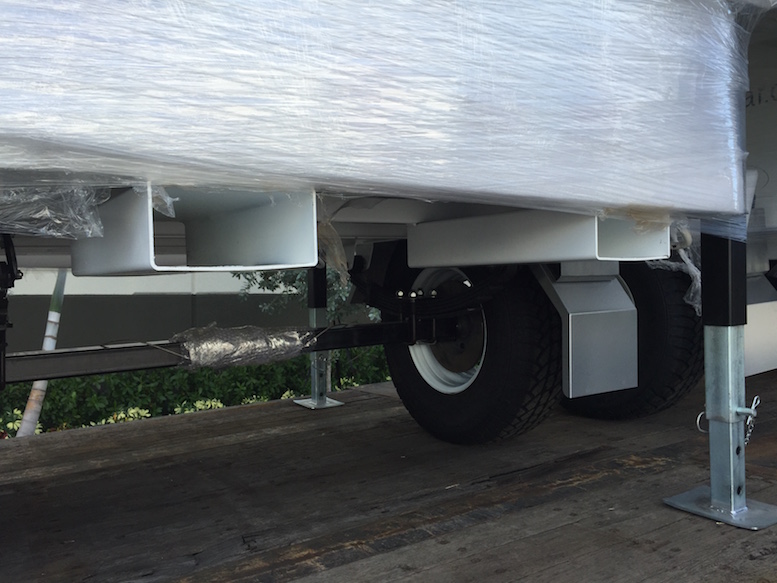
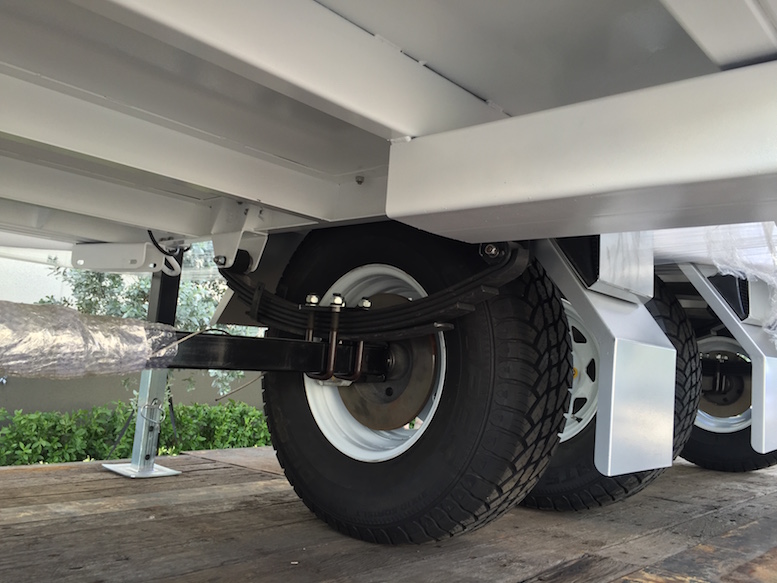
Other Models Available
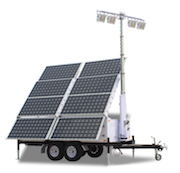
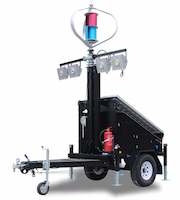
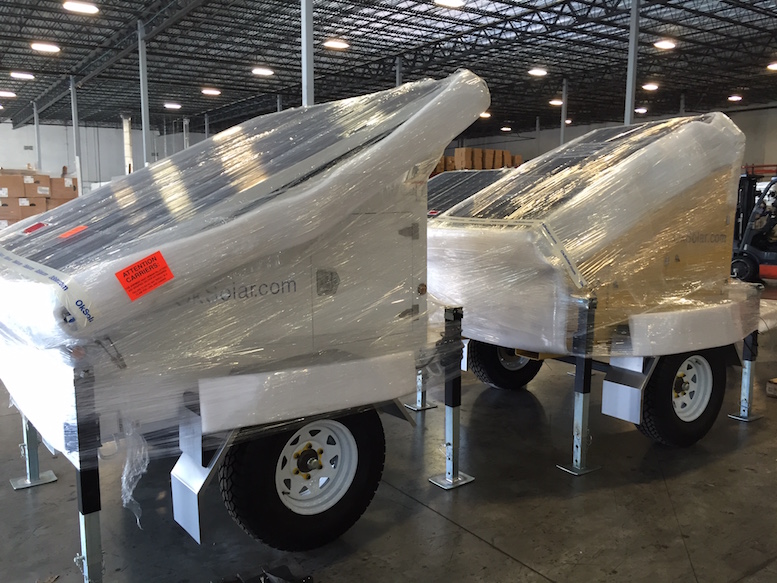
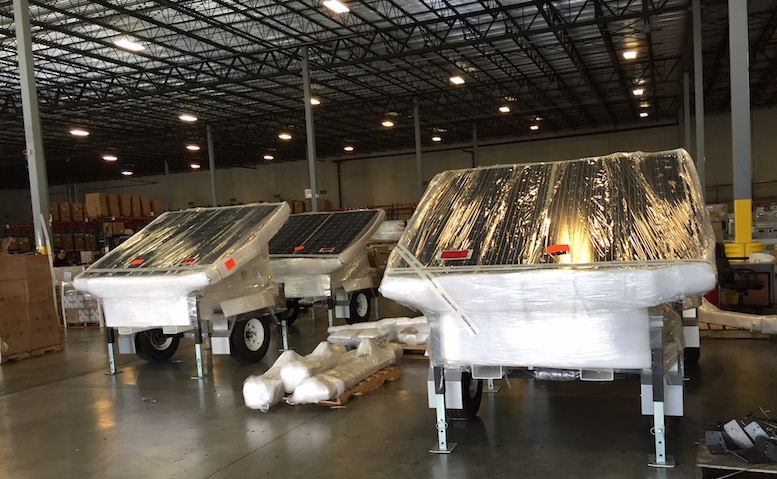
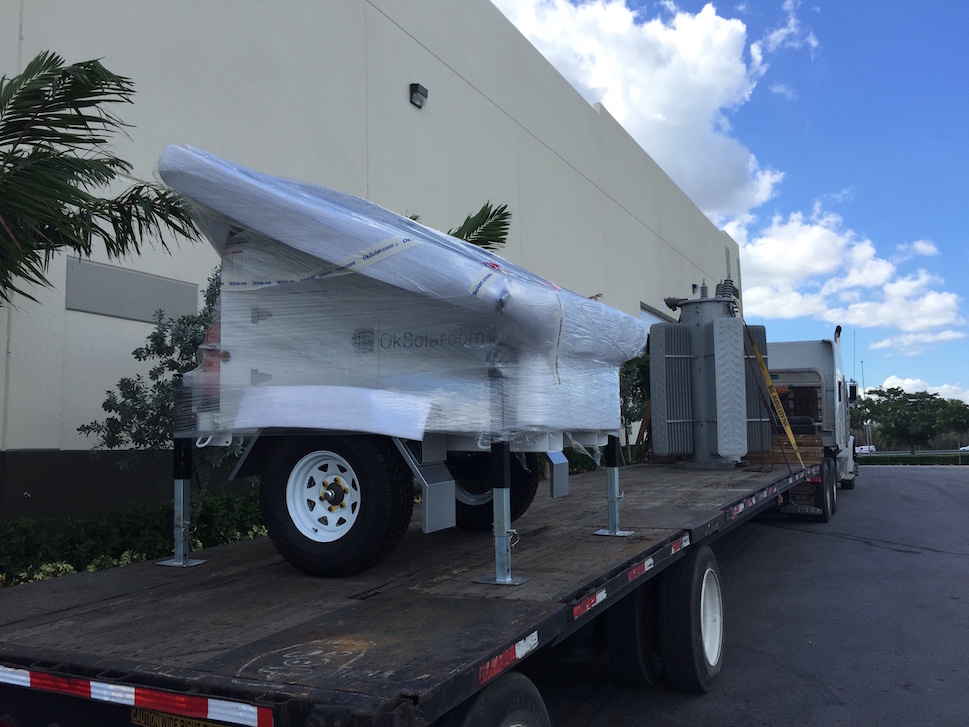
Sample Ready to ship unit




|
|